Pakistan’s energy landscape just hit a pivotal redirection. For the first time, a crude oil shipment has successfully navigated the Strait of Hormuz to reach Pakistani shores under a new strategic framework. This isn't just about a tanker docking; it’s about the high-stakes recalibration of South Asian supply chains.
Pulse Summary
Pakistan has received its inaugural crude oil shipment via the Strait of Hormuz, marking a shift in the country's maritime procurement strategy. This arrival at Karachi port signals a transition toward diversified energy sourcing intended to stabilize domestic fuel prices and mitigate the chronic circular debt plaguing the national power sector.
The arrival of a tanker at the Karachi Port Trust (KPT) usually doesn't make waves beyond the shipping manifests. But this week, the atmosphere at the terminal was different. As the vessel pulled into the berth, it carried more than just barrels of crude; it carried the weight of a nation’s attempt to break a cycle of energy volatility that has crippled its industrial output for a decade.
For years, Pakistan’s energy security has been a house of cards, built on expensive spot-market purchases and a heavy reliance on a narrow corridor of suppliers. The successful transit of this shipment through the Strait of Hormuz—a chokepoint that handles roughly 20% of the world’s petroleum—represents a calculated risk and a potential reward for a government desperate to lower the cost of doing business.
Navigating the Chokepoint: Why Hormuz Matters Now
The Strait of Hormuz is often described as the world's most important oil artery. To the uninitiated, it’s a narrow stretch of water. To a Senior News Strategist, it’s a geopolitical barometer. When tensions rise in the Middle East, insurance premiums for tankers in these waters skyrocket. For a struggling economy like Pakistan’s, those premiums often translate directly to higher prices at the petrol pump.
Securing this shipment required more than just a purchase agreement. It required a diplomatic and logistical alignment that ensures Pakistan isn't just a passive observer of global oil fluctuations. By formalizing this route and the subsequent refinery processing, the state is attempting to create a buffer against the "energy shocks" that typically send the Pakistani Rupee into a tailspin.
Beyond the Barrel: The Refinement Challenge
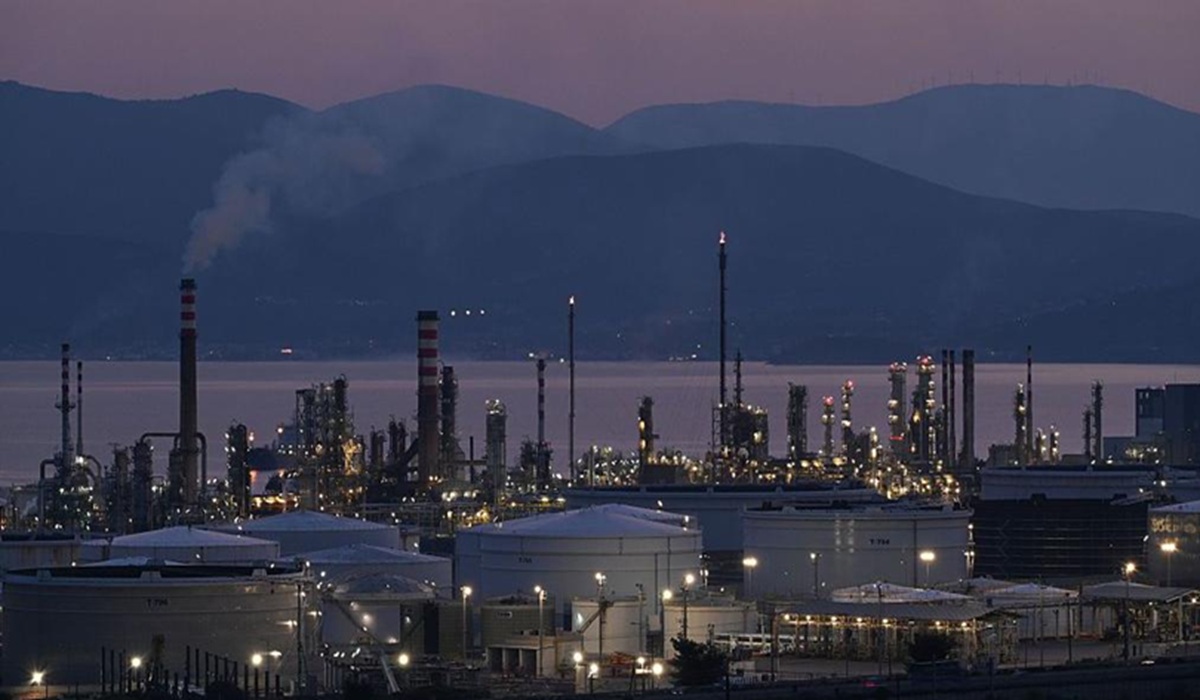
It is one thing to get the oil to the dock; it is quite another to turn it into the high-grade fuel required by modern engines and power plants. Pakistan’s refinery sector has long been criticized for being technologically stagnant. Most local refineries are configured for specific grades of light or medium crude, often leaving the country dependent on imported finished products like petrol and diesel.
This new shipment tests the operational limits of the domestic refining infrastructure. If the local facilities can efficiently process this crude without excessive waste or high operational costs, it proves the viability of long-term direct-sourcing contracts. If they struggle, the arrival is merely a symbolic victory rather than a structural
 one.
one.
What the Numbers Don’t Say Out Loud
Field Notes from the Energy Desk
When you look at the official press releases, the focus is entirely on "volume" and "arrival dates." But if you sit in the rooms where these deals are structured, the conversation is actually about credit cycles and currency hedging.
The "Hard Truth" that isn't in the official bulletin is that Pakistan's ability to sustain these shipments depends entirely on its relationship with international lenders and the stability of the Chinese-backed infrastructure. We are seeing a move away from "emergency buying" toward "structural sourcing." However, the hidden cost here is the massive infrastructure upgrade required at the ports. You cannot run a 21st-century energy policy on 20th-century docking facilities. My observation is that while the oil is here, the "logistical friction"-the time it takes to offload and transport this crude to inland refineries-remains a hidden tax on the economy that the government hasn't yet solved.
The Domino Effect on Circular Debt
You cannot discuss Pakistani energy without addressing the "circular debt"-a multi-billion dollar deficit that ripples through the entire economy. When the government cannot pay power producers, the producers cannot buy fuel, and the lights go out.
By sourcing crude through more direct, strategically negotiated routes via Hormuz, the Ministry of Energy hopes to shave off the margins currently captured by middle-man traders. Even a 3% to 5% reduction in landed costs can translate into billions of Rupees saved over a fiscal year. These savings are the only way to plug the hole in the circular debt without further taxing a population already dealing with record-high inflation.
Comparative Energy Strategies in South Asia
Pakistan is not alone in this pivot. Across the border, India has been aggressively diversifying its energy basket, famously buying discounted Russian Ural crude despite Western pressure. Pakistan’s move toward stabilized Hormuz transits is a similar, albeit more localized, attempt at pragmatism.
The regional competition for energy is no longer just about who has the most money; it’s about who has the most resilient supply chain. The arrival of this shipment suggests that Pakistan is finally learning that "energy security" is synonymous with "maritime security."
Key Takeaways for the Energy Sector
- Logistical Milestone: The successful transit through the Strait of Hormuz establishes a repeatable blueprint for future direct-source shipments.
- Price Stabilization: Direct crude imports are intended to reduce the reliance on expensive refined product imports, potentially easing domestic inflation.
- Refinery Stress Test: This shipment serves as a critical test for Pakistan’s aging refinery infrastructure to handle diverse crude grades.
- Geopolitical Balancing: Navigating the Hormuz route requires a delicate diplomatic balance between Gulf suppliers and regional security interests.
The Long Road to Karachi
To understand why this shipment is a breakthrough, one must look back at the 2022 energy crisis. During that period, Pakistan was forced to cancel several LNG tenders because prices had moved beyond the country's reach. The lesson learned was painful: relying on the global spot market is a recipe for national insolvency.
The shift toward long-term crude contracts, facilitated by the Hormuz route, is the direct result of that trauma. It represents a move toward "Energy Realism." It’s an admission that while green energy is the future, the immediate survival of the Pakistani state depends on its ability to move fossils efficiently and cheaply.
The Infrastructure Gap: A Looming Hurdle
While the shipment is a win, the "last mile" remains a problem. Pakistan’s pipeline network is stretched thin, and a significant portion of fuel is still moved by road. This is inefficient, dangerous, and expensive. For the Hormuz route to truly change the game, the government must pair these shipments with an aggressive expansion of the White Oil Pipeline and other inland distribution assets.
Without these upgrades, the crude sits in Karachi, incurring demurrage charges that eat away at the very savings the government fought so hard to secure.
A Step, Not a Finish Line
We should view the arrival of this oil shipment as a successful "proof of concept." It proves that despite geopolitical tensions and economic constraints, Pakistan can still execute complex energy maneuvers. However, the path to true energy independence is still miles away.
The real test will come in the next six months. Will this be a one-off event used for a political PR win, or is this the start of a drumbeat of regular, scheduled arrivals that fundamentally alter the price of power in Lahore, Faisalabad, and Karachi? Only the latter will matter to the person trying to run a textile mill or keep the lights on at home.





Comments (0)
Leave a Comment