Oil prices and geopolitical escalation have seized the top spot on investor worry lists, threatening a volatile Q2 market retreat.
As financial markets enter the second quarter of 2026, the convergence of Middle East energy infrastructure damage and a shuttered Strait of Hormuz has propelled Brent crude past $112 per barrel. This supply-side shock, coupled with "higher-for-longer" inflation fears, is forcing a massive strategic pivot across global equity and bond desks.
The Geopolitical Tax: Why Energy is Breaking the Market
The second quarter of 2026 is no longer about earnings growth or central bank "soft landings." It is about the price of a barrel. With the Strait of Hormuz-the world’s most critical maritime artery-effectively restricted, nearly 20% of global oil consumption is in a state of logistical limbo. This isn't a mere pricing fluctuation; it is a structural "Geopolitical Tax" that is being levied on every sector of the global economy.
The market architecture of 2026 was built on the assumption of disinflation. Instead, the "Oil War" has reintroduced a 1970s-style supply shock into a high-tech, high-leverage environment. As Brent crude settles above $112 and WTI hovers near $100, the "risk-off" sentiment is no longer a temporary hedge-it is becoming the baseline. Analysts now warn that if the disruption persists through June, we could see a retreat in the S&P 500 exceeding 10%, as the "AI premium" is eaten alive by rising operational costs and suppressed consumer discretionary spending.
The Hormuz Factor: Physics vs. Finance
The physics of the Strait of Hormuz are unforgiving. A 21-mile wide chokepoint cannot be "disrupted" without a global cardiac arrest in energy flows. While OPEC+ has signaled a strategic output increase of 206,000 barrels per day (bpd) for April 2026, this volume is a drop in the ocean compared to the 20 million bpd that typically transits the Gulf.
The "Information Gain" here is the realization that spare capacity in Saudi Arabia or the UAE is irrelevant if the exit door is locked. This has created a lateral crisis in the insurance markets. Marine hull and machinery premiums for tankers in the region have surged by 400% in a matter of weeks. We are seeing a "Shadow Blockade," where even if a ship can physically pass, the financial cost of doing so makes the cargo uneconomical. This is why the Q2 outlook is so grim: the crisis is as much about the plumbing of global finance as it is about the chemistry of crude oil.
Inside the Data: The Myth of the "Energy Shield"
There is a pervasive industry assumption that the United States, as a net exporter of petroleum products, is "shielded" from this Middle Eastern volatility.
 The data tells a different story-what I call the Global Arbitrage Friction.
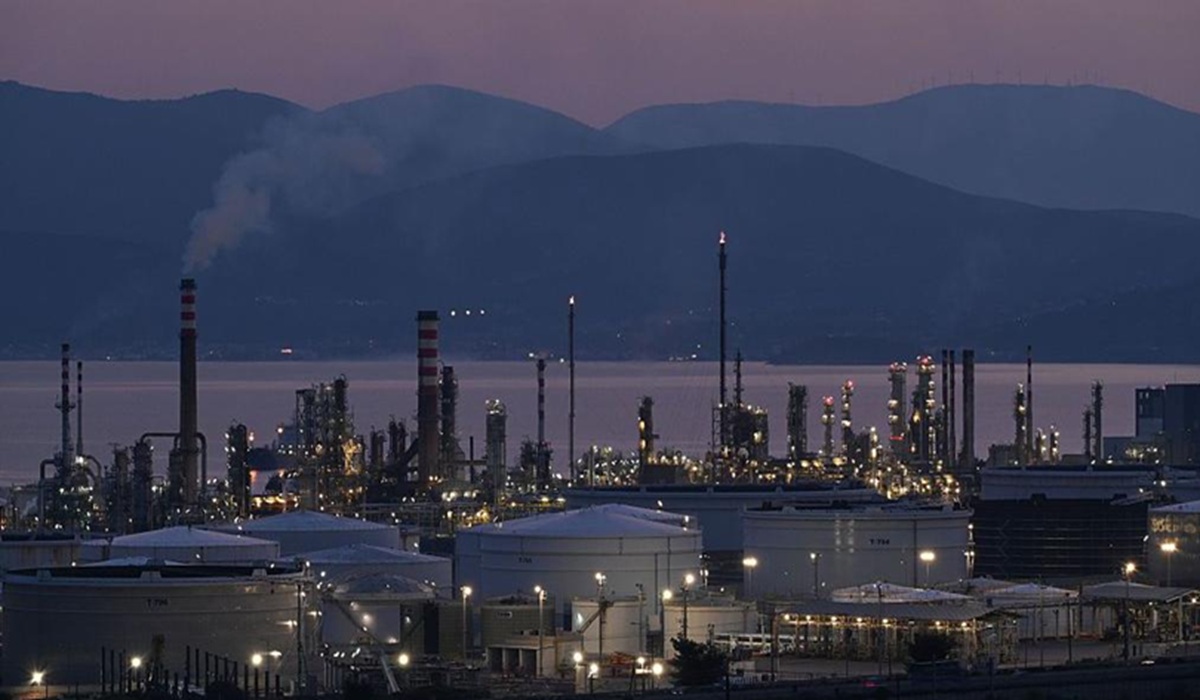
While the U.S. produces record amounts of Permian Basin crude, our refineries are largely calibrated for the heavy sours that come from the very regions currently under fire. We cannot simply "swap" domestic light sweet crude for the lost Middle Eastern imports without a massive, multi-billion-dollar retooling of the Gulf Coast refinery row.
What the numbers don't show is the internal struggle within the U.S. Energy Information Administration (EIA). Behind the scenes, the friction point isn't supply-it's Refinery Delta. We are seeing a widening spread between crude prices and "crack spreads" (the cost of turning oil into gasoline). Even if oil prices were to stabilize tomorrow, the damage to the infrastructure and the disruption of the additive supply chain (chemicals needed for refining) mean that "pump pain" will persist well into Q3. The "Shield" is a myth; in 2026, energy isolationism is an engineering impossibility.
Key Takeaways for Q2 Strategy
- Sovereign Risk Re-Rating: Investors are fleeing emerging markets that are net energy importers (India, Turkey, South Korea) in favor of "Energy Fortresses" like Norway and Canada.
- The Bond Reversal: While equities are battered, the selloff in bonds has reached a point where high yields are finally tempting buyers back as a "defensive" income play against stagflation.
- Logistical Bottlenecks: Beyond oil, the closure of key shipping lanes is delaying the delivery of specialized components for the EV and semiconductor industries, creating a secondary "Inflation Wave."
- OPEC+ Crisis Management: The cartel is shifting from "Price Support" to "Market Stabilization," prioritizing the prevention of a global demand collapse over-optimizing for $150 oil.
The Socio-Economic Ripple: The "Cost of Heat"
The 2026 Oil War is hitting at a sensitive time for European and Asian social stability. As natural gas prices track the upward trajectory of crude, the cost of industrial heating and electricity is surging. In Germany and Japan, we are seeing the first signs of "Demand Destruction"-factories idling not because of lack of orders, but because the energy input cost exceeds the value of the finished good.
This creates a lateral political risk. When energy becomes a luxury, voters move toward populist fringes. We are already seeing "Energy Protests" in major capitals, which adds a layer of "Policy Panic" to the financial markets. Central banks like the ECB and the Federal Reserve are caught in a "Stagflation Trap": they need to raise rates to fight energy-driven inflation, but doing so will further crush a manufacturing sector already reeling from high fuel costs.
Future Forecast: The Rise of "Energy Mercantilism"
The next six months will be defined by a shift from "Global Markets" to "Energy Mercantilism." We expect to see:
- Bilateral "Oil-for-Tech" Deals: Nations like China and Saudi Arabia bypassing the dollar-denominated open market to secure guaranteed supply lines.
- Strategic Reserve Depletion: Major economies will be forced to tap into their Strategic Petroleum Reserves (SPR) not to lower prices, but to keep essential services running.
- The Nuclear Acceleration: A massive surge in capital expenditure toward small modular reactors (SMRs) as the only viable "Exit Ramp" from fossil fuel volatility.
The Next Strategic Hurdle: The 12-Month Outlook
The "12-Month Outlook" isn't about whether the war ends; it's about whether the Risk Premium ever goes away. Even if a ceasefire is signed by June, the psychological floor for oil has permanently shifted higher. The next strategic hurdle for the global market is the De-Globalization of the Energy Grid.
We are moving into a "Fractured Base Case" where the price of energy is no longer determined by the marginal cost of production, but by the cost of protecting the supply line. The challenge to current thinking is this: Most portfolios are still optimized for a "peace-time" globalized economy. If Q2 2026 has taught us anything, it’s that the era of "Cheap, Invisible Energy" is over. Are you holding assets that can survive a world where the Strait of Hormuz is a permanent variable, not a temporary headline?




Comments (0)
Leave a Comment