A violent "liquidity rush" has seized global markets as an escalation in the Middle East conflict shattered traditional safe-haven correlations. Within a 96-hour window, investors liquidated stocks, bonds, and even gold in an indiscriminate dash for U.S. Dollars, triggered by fears of a prolonged blockade in the Strait of Hormuz.
The playbook for geopolitical crises usually follows a predictable rhythm: stocks down, gold and bonds up. But this week, the playbook was set on fire. As missiles crossed the Persian Gulf and drone strikes hit critical energy hubs, the world’s financial machinery suffered a "VaR shock"-a value-at-risk event so intense that diversification effectively vanished.
When the Strait of Hormuz-the jugular vein of the global energy trade-faced what analysts are calling a "logistical paralysis," the market’s reaction wasn't just to de-risk. It was to disappear. From Wall Street to the Nikkei, the message was uniform: in a world on the brink of a structural energy shock, the only true hedge is immediate, cold liquidity.
The Great Correlation Collapse
The most startling development of the last 48 hours hasn't been the 2% drop in the S&P 500 or the spike in Brent Crude to $83. It is the fact that gold and U.S. Treasuries-the "security blankets" of the investing world-fell alongside equities.
This rare synchronization signals a "dash for cash." When volatility spikes this sharply, institutional algorithms and margin calls force investors to sell whatever is liquid to cover losses elsewhere. Gold, which had hit four-week highs just days ago, saw a 4% retreat as traders treated it as an ATM rather than a sanctuary.
The Strait of Hormuz: A $100 Million-a-Day Bottleneck
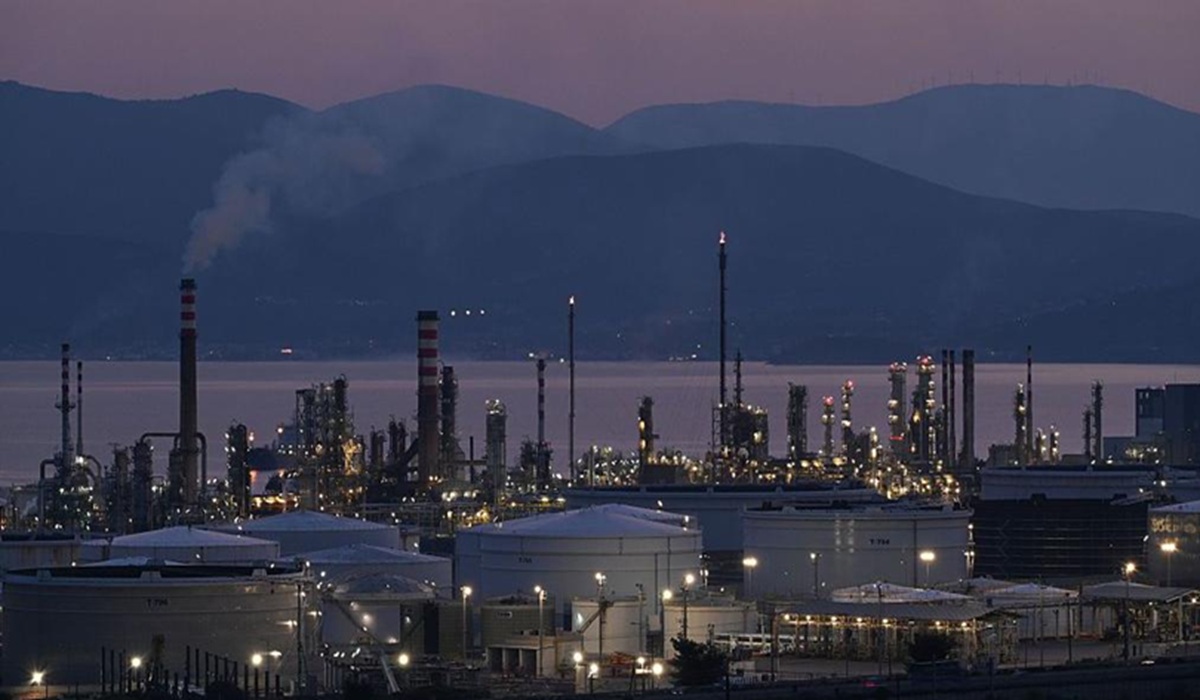
The physical trigger for this panic is the status of the world’s most critical waterway.
- The Energy Toll: Approximately 20% of the world's oil and LNG transit this narrow passage.
- The Blockade Effect: Reports of tankers dropping anchor and insurers canceling "war-risk" coverage have essentially created a self-imposed blockade.
- The Logistics Shift: With traffic through the Gulf slowing by over 70%, shipping lines are rerouting around the Cape of Good Hope, adding 15 days to transit times and sending freight rates into a vertical climb.
The "Squirter" That Broke the Market
Market veterans often look for a singular "human signal" to separate temporary noise from a structural shift. This week, that signal came from the Money Market inflows.
While the headlines focused on the "fear gauge" (VIX) surging past 27, the real story was the $47.9 billion that flowed into global money market funds in a single week-the largest intake since mid-February. This isn't just "sitting on the sidelines"; it is a massive, coordinated retreat into short-term, cash-like instruments.
What the numbers don’t say out loud is that the market is no longer betting on a "surgical" conflict. The pricing of long-term oil contracts versus immediate "spot" prices reveals a "backwardation" so steep it suggests traders are terrified of the next 14 days, even if they expect a resolution by summer. We are seeing a "liquidity vapor lock" where the bid-ask spreads on even high-quality corporate bonds are widening, making it difficult for firms to raise capital just when they need it most to weather the storm.
The View from the Trading Desk
Walking
 onto a trading floor this morning felt like stepping into a pressurized cabin. The usual bravado was replaced by a grim, mechanical efficiency. One senior macro strategist at a London firm put it bluntly: "We aren't looking for value anymore; we're looking for the exit. When you see gold dropping while a war is starting, you know the plumbing is clogged."
There is a sense that the "complacency" of early 2026 has been punished. For months, markets ignored the rising temperature in the Middle East, fueled by a belief that "regime change" talk was mere rhetoric. Now, as the reality of a multi-front regional war sinks in, the deleveraging is becoming indiscriminate.
Sector Winners and Losers: The New Map of Risk
The escalation has redrawn the competitive landscape of the S&P 500 and global indices almost overnight.
- The Energy Surge: While the broader market bled, upstream energy companies and non-Gulf LNG providers saw their valuations buoyed by the scarcity premium.
- The Aviation Tailspin: Airlines and tourism stocks faced the sharpest sell-offs, with the S&P 1500 Passenger Airlines index dropping nearly 3% as fuel costs and airspace closures strangled margins.
- The Shipping Squeeze: European giants like Maersk and Hapag-Lloyd saw shares jump as the market priced in the inevitable spike in freight and insurance costs.
The Inflationary Echo
This isn't just a "Wall Street problem." If Brent Crude remains above $80 for a prolonged period, the inflationary progress of the last year could be erased. Central banks, which were previously preparing for rate cuts, may now find their hands tied. A 10% rise in oil typically adds 25 basis points to headline inflation-a "war tax" that every consumer will feel at the pump and the grocery store.
The Search for an Exit Ramp
As peace negotiations between Washington and Tehran move to the center stage, the market is looking for any flicker of an "exit ramp." The intelligence circulating through command channels suggests that while the initial naval losses for Iran were significant, their ability to conduct "asymmetrical" drone warfare remains a potent threat to global commerce.
History suggests that geopolitical shocks are often short-lived once the "fog of war" clears. However, the current breakdown of traditional hedging-where bonds and gold fail to protect equity portfolios-suggests that the 2026 crisis is of a different breed.
Key Takeaways for the Defensive Investor
- Cash is the Only Hedge: For the first time in years, money market funds are outperforming "safe-haven" assets like gold and long-duration Treasuries.
- Energy Beta Management: Investors are rotating out of diversified funds and into "high-quality integrated" energy companies less exposed to Gulf logistics.
- Watch the Oil Curve: The most accurate barometer of the war’s duration isn't a political speech; it's the price of oil contracts for December 2026.
- Resilience Over Growth: The "buy the dip" mentality is being replaced by a focus on balance sheet strength and dividend reliability.
Looking Ahead: The 150-Day Window
The geopolitical backdrop remains combustible. With the Strait of Hormuz effectively "closed" to unescorted commercial traffic, the global economy faces a "perfect storm" of logistical breakdowns and surging energy costs.
The next few weeks will determine if this is a "VaR shock" that leads to a healthy correction or the beginning of a structural shift toward a fragmented, more expensive global trade network. For now, the smartest money in the room is the money that has stopped moving entirely.




Comments (0)
Leave a Comment