The Engineering Development Board confirms Pakistan’s first homegrown electric vehicle will launch by summer 2026, priced below Rs1 million. This aggressive pricing strategy targets the mass-market motorcycle and small-car segment, marking a pivotal transition in the country's localized automotive manufacturing and energy consumption patterns.
The dream of an affordable, "made in Pakistan" electric vehicle has transitioned from a recurring seminar topic to a tangible production reality. According to Asad Rehman Gilani, Chairman of the Engineering Development Board (EDB), the first locally manufactured EV is slated to hit the roads this summer. Perhaps more significantly, it arrives with a price tag under Rs1 million-a psychological and financial barrier that has long kept sustainable mobility out of reach for the Pakistani middle class.
This isn't just about a new car; it is a calculated attempt to disrupt a market currently suffocated by high fuel costs and the prohibitive pricing of imported CBU (Completely Built-Up) units. For a decade, the conversation around EVs in Pakistan was dominated by luxury Audi e-trons or high-end BMWs, toys for the elite that did nothing to offset the country's massive oil import bill. This summer, the narrative shifts toward the commuter.
The Rs1 Million Threshold: Chasing the Mass Market
To understand why a sub-Rs1 million price point matters, one must look at the current state of the Pakistani auto gallery. The cheapest combustion-engine hatchbacks have surged well past the Rs2.5 million mark due to currency devaluation and tax hikes. By positioning a homegrown EV under seven figures, the EDB and local manufacturers are not competing with Toyota or Honda; they are competing with high-end Chinese motorcycles and the used car market.
Price parity with petrol-driven alternatives has always been the "holy grail" of EV adoption. Achieving this locally suggests a significant leap in domestic value addition. While critical components like battery cells and high-torque motors are likely sourced through international partnerships, the assembly, chassis fabrication, and interior integration are being handled within special economic zones. This localization is the only lever available to bypass the heavy duties that typically inflate EV prices.
The EDB’s optimism is backed by a restructured Auto Industry Development and Export Policy (AIDEP). The government has realized that to save foreign exchange, it must stop importing oil for bikes and small cars. Shifting the "common man" to an electric platform isn't just an environmental goal; it is a macroeconomic necessity.
Infrastructure vs. Innovation: The Two-Front War
While the launch of a sub-Rs1m EV is a manufacturing milestone, the success of the vehicle on the road depends on factors outside the factory gates. Pakistan’s power grid and charging infrastructure remain the primary skeptics' talking points. However, the EDB’s strategy appears to focus on "urban mobility" rather than cross-country travel.
These homegrown units are designed for the daily 30-to-50-kilometer commute. At this scale, the "home-charging" model becomes the primary fuel source, reducing the immediate need for a nationwide network of DC fast chargers. If a user can plug their car into a standard 15-ampere socket overnight—much like a mobile phone-the infrastructure argument loses some of its sting.
Furthermore, the government is reportedly incentivizing private fuel stations to integrate charging points.
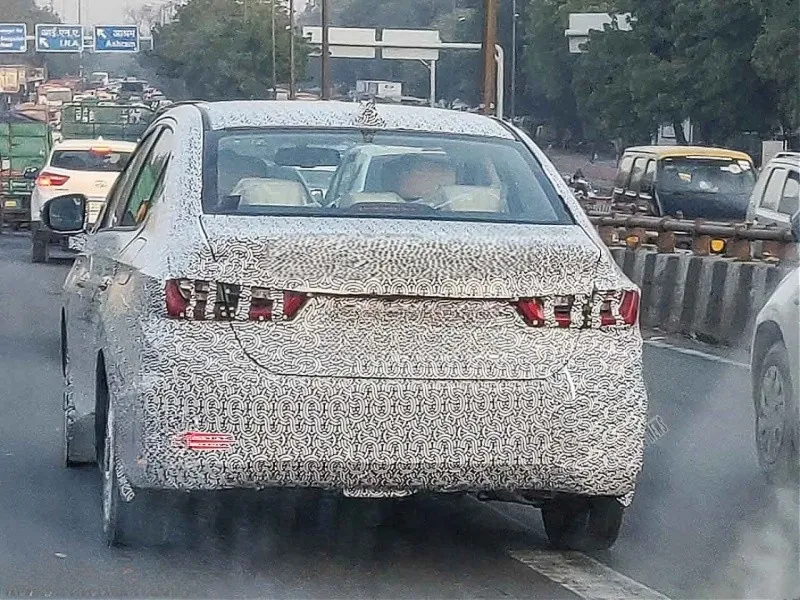 The EDB has already issued over 30 licenses to various companies for the manufacturing of electric vehicles, ranging from two-wheelers to heavy commercial trucks. The summer launch is merely the flagship of a much larger fleet.
What the Numbers Don't Say Out Loud
When we look at the EDB’s projections, there is a subtext that often escapes the official press releases. The push for a sub-Rs1m EV is a direct response to the "Motorcycle Trap." Pakistan is one of the largest markets for two-wheelers globally, with millions of citizens spending a disproportionate amount of their monthly income on petrol.
Our internal analysis of the current manufacturing shift suggests that the "under Rs1 million" EV will likely be a three-wheeled or a compact four-wheeled quadricycle. To expect a full-sized sedan at this price point would be a misunderstanding of global supply chain realities. The genius of this move isn't in providing a luxury experience; it’s in providing "protected mobility." For the price of a high-end touring bike, a family of four can now travel in a weather-protected, air-conditioned (or at least fan-cooled) cabin with zero tailpipe emissions.
The real "win" here isn't the car itself-it’s the supply chain. By forcing a sub-Rs1m price point, the EDB is effectively forcing local engineers to innovate on cost-effective battery packaging and lightweight materials. It’s a trial by fire for Pakistan’s industrial sector. If they can make an EV work at this price, the export potential to other emerging markets in Africa and Central Asia is immense.
The Competitive Landscape: Local vs. Imported
The EDB chief’s announcement comes at a time when global players are also eyeing the Pakistani market. However, the "Homegrown" label provides a distinct advantage in terms of after-sales service and spare parts availability. One of the biggest fears for Pakistani car buyers is the "disappearing brand"—Chinese or European models that enter the market and vanish, leaving owners with unserviceable vehicles.
A locally backed EV, monitored by the EDB, provides a level of institutional trust. It suggests that the "right to repair" will be supported by local vendors. For the buyer, the calculation is simple:
- Initial Cost: Under Rs1 million (comparable to a used 1000cc car).
- Running Cost: Roughly 20% of a petrol car’s monthly fuel bill.
- Maintenance: Minimal, with fewer moving parts than an internal combustion engine.
Strategic Key Takeaways
- Launch Timeline: Delivery to consumers is expected to begin in the summer of 2026.
- Price Disruption: The sub-Rs1m target makes it the most affordable four-wheeled EV in the region.
- Policy Support: The EDB has streamlined licensing for over 30 manufacturers to ensure a competitive ecosystem.
- Economic Impact: Significant reduction in per-capita fuel expenditure for urban middle-class households.
The Historical Context
In the 1980s, the introduction of the Suzuki Mehran revolutionized Pakistani mobility by making car ownership accessible to the masses. For forty years, that "basic" car defined the roads. We are currently at a similar crossroads. The homegrown EV is the digital-age successor to the Mehran.
Historically, Pakistan’s auto industry has been criticized for being a "screw-driver industry"-simply assembling imported kits with little local innovation. This EV project represents a departure from that legacy. By focusing on domestic manufacturing and hitting a price point that global giants ignore, Pakistan is attempting to leapfrog the traditional automotive evolution.
We aren't just moving from petrol to electric; we are moving from "importer" to "innovator." The road ahead is not without potholes—specifically regarding battery lifecycle management and grid stability—but the summer launch marks the first time the government and private sector have aligned on a price that the public can actually afford.
Beyond the Hype: Long-term Sustainability
The true test of the EDB’s vision will come twelve months after the first units hit the road. The resale value, battery degradation in Pakistan's intense summer heat, and the availability of roadside assistance will determine if this is a fleeting trend or a permanent shift.
However, the intent is clear. The Engineering Development Board is no longer just a regulatory body; it is acting as an architect for a post-oil transport economy. By prioritizing the "under Rs1 million" segment, they are ensuring that the green revolution in Pakistan is inclusive, not just an upgrade for the wealthy.


Comments (0)
Leave a Comment