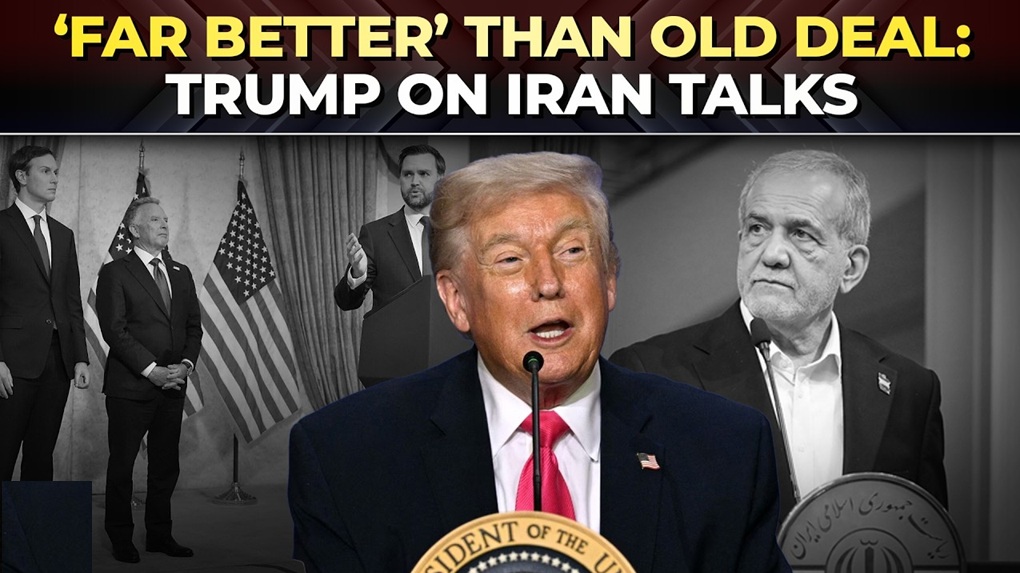
Top US and Chinese economic officials have convened in Paris to salvage a fragile trade truce and finalize terms for the upcoming Trump-Xi summit in Beijing. Amidst the shadow of the US-Israeli war with Iran, Treasury Secretary Scott Bessent and Vice Premier He Lifeng are negotiating high-stakes concessions on rare earths, high-tech exports, and multi-billion-dollar agricultural deals.
The Paris Proxy: Diplomacy Under a War-Torn Sky
The global economic order is currently being negotiated in the quiet halls of the OECD headquarters in Paris, a neutral ground chosen to insulate the world's most critical bilateral relationship from the literal and metaphorical heat of the Middle East. On Sunday, March 15, 2026, the United States and China launched a high-stakes tactical session led by US Treasury Secretary Scott Bessent and Chinese Vice Premier He Lifeng.
This isn't just a routine check-in. It is a desperate effort to clear a "smooth path" for President Donald Trump’s scheduled arrival in Beijing at the end of March. The stakes are staggering. After the US Supreme Court recently invalidated the administration's broad IEEPA tariff authorities, the White House has scrambled to replace them with a 15% global levy under Section 122 of the 1974 Trade Expansion Act. Paris is where both sides determine if this is a temporary friction point or the start of a renewed trade war.
The atmosphere in the room is described by insiders as "transactional but tense." With the Strait of Hormuz effectively a war zone—choking off 45% of China’s oil supply—Beijing is in a defensive posture. Washington, meanwhile, is leveraging its military focus in the Middle East to demand tangible commercial "wins," specifically massive orders for Boeing aircraft and American liquefied natural gas (LNG).
The Rare Earth Gambit and the High-Tech Firewall
The core of the Paris agenda centers on a volatile exchange: minerals for chips. China currently holds a near-monopoly on the rare earth magnets and minerals essential for everything from American EV batteries to F-35 fighter jet components. Under the October 2025 Busan Truce, Beijing paused its draconian export controls, but that "pause" is nearing its expiration date.
In exchange for a continued flow of these critical materials, Vice Premier He Lifeng is demanding a loosening of US export controls on high-end semiconductor manufacturing equipment. The Trump administration’s "Section 301" probes into alleged Chinese industrial overcapacity have only added fuel to the fire.
US Trade Representative Jamieson Greer, also present in Paris, is walking a fine line. He must satisfy the "America First" mandate by securing Chinese commitments to buy 25 million tons of US soybeans this season, while simultaneously enforcing new labor probes that could ban specific Chinese imports. It is a balancing act that requires the precision of a surgeon and the nerves of a high-stakes gambler.
What the Diplomatic Cables Don't Say
I’ve covered three summits between these two leaders, and the mood in 2026 feels fundamentally different. In previous years, there was a sense of "strategic competition." Now, it’s purely "crisis management." What isn't showing up in the official communiqués is the
 sheer exhaustion of the negotiating teams.
The US Treasury team is effectively working two wars: the economic one with Beijing and the literal one in the Middle East. I’m hearing that Secretary Bessent is conducting sidebar calls with Tel Aviv between sessions with the Chinese. This "divided attention" is something Beijing is acutely aware of. Xi Jinping’s strategy is clear: he is waiting for the US to overextend itself.
What the numbers don't say out loud is that the "Trade Truce" is a paper-thin shield. The 15% global tariff Trump just enacted has sent shockwaves through the Indo-Pacific. While the Paris talks aim to prevent a "rupture," the underlying trust is non-existent. We are seeing a shift toward a "G2" world order where both powers agree to not destroy the global economy on a Tuesday, but will happily try to outmaneuver each other by Wednesday morning. If you’re looking for a "Grand Bargain" in Beijing, you’re looking at the wrong year. Paris is about survival, not reconciliation.
The Boeing-Soybean Trade-Off: Buying Peace
For President Trump, the success of the Beijing summit hinges on "the big numbers." He wants a legacy deal that includes a massive re-entry of Boeing into the Chinese market-an aerospace giant that hasn't seen a significant Chinese order in nearly a decade.
- The Aviation Anchor: China’s domestic travel is surging, yet their fleet is aging. A multi-billion dollar Boeing deal would be a massive domestic win for the Trump administration, signaling a revitalization of American manufacturing.
- The Soybean Surge: Commitments to purchase 25 million metric tons of soybeans in 2026 are already on the table, but Washington is pushing for "guaranteed floors" to protect US farmers from market volatility.
- The LNG Pivot: With the Middle East energy supply in jeopardy, the US is positioning its liquefied natural gas as the "safe" alternative for Beijing, provided the infrastructure and tariff rollbacks align.
Key Takeaways from the Paris Negotiations
- Goal: Establish a baseline "commercial win" to justify the Trump-Xi Beijing Summit (March 31 – April 2).
- Primary Conflict: US Section 301 probes vs. China’s rare earth export control leverage.
- Energy Factor: The closure of the Strait of Hormuz has forced energy security to the top of the economic agenda.
- Tariff Reality: The 15% US global tariff remains the primary bargaining chip, despite the recent Supreme Court setback for the executive branch.
The New Global Trade Map
The Paris talks are the first real-world test of the "Post-IEEPA" trade era. When the US Supreme Court clipped the President's wings in February, many thought the "Tariff Man" era was over. Instead, it has evolved. By utilizing Section 122 of the 1974 Act, the administration has shown it will find a legal path for its protectionist agenda.
For the rest of the world, this Paris meeting is a warning. The world's two largest economies are negotiating a "managed trade" system that effectively bypasses the WTO. If a deal is struck in Paris, it will be a transactional one-soybeans for rare earths, planes for chips.
From Busan to Beijing
To understand March 2026, you have to look at October 2025. The Busan Truce was supposed to be a one-year cooling-off period. Instead, it has been a year of rapid-fire escalations. The Trump-Xi relationship has moved from personal "friendship" to a cold, calculated "managed rivalry."
Historically, summits fail when the "pre-work" is left unfinished. The Paris talks are that pre-work. If Bessent and He Lifeng can’t find a middle ground on the rare earth magnets by Tuesday, the Beijing summit will be nothing more than a photo-op in a cold room. But if they can lock in even a portion of the Boeing and agricultural deals, the global markets might finally see the "hard-won stability" they have been craving since the second term began.



Comments (0)
Leave a Comment