The April 2026 maritime escalation in the Gulf of Oman signals a volatile shift in U.S. foreign policy. President Trump’s authorization of a Navy strike against Iranian vessels following the targeting of commercial tankers marks a transition from "maximum pressure" to active kinetic deterrence, reshaping global energy security.
The strategic equilibrium of the Middle East just fractured. For decades, the "Tanker War" of the 1980s served as a grim blueprint for maritime friction, but the events of April 19, 2026, suggest we have entered a far more unpredictable theater. By authorizing the U.S. Navy to engage Iranian fast-attack craft in the Gulf of Oman, the Trump administration has signaled that the era of "strategic patience" or back-channel de-escalation is over.
This isn't merely a skirmish over shipping lanes; it is a fundamental stress test of the United States’ ability to police the global commons in a multipolar world.
The Anatomy of the Strike: Precision as Policy
The engagement unfolded near the Strait of Hormuz, a chokepoint through which 20% of the world’s petroleum passes. According to Pentagon reports, the U.S. Navy utilized a combination of littoral combat ships and unmanned aerial systems to neutralize three Iranian revolutionary guard (IRGC) vessels. This was not a random defensive reflex. It was a calculated, high-visibility kinetic response designed to address a series of drone-led harassments that had plagued commercial transit for the previous ninety days.
The shift in the Rules of Engagement (ROE) is the most critical element here. Under previous administrations, maritime encounters often resulted in "bridge-to-bridge" warnings or non-lethal flares. The April 19th directive indicates a move toward "proactive neutralization." When the IRGC craft crossed a predetermined 500-yard exclusion zone around a Marshall Islands-flagged tanker, the response was immediate.
The $100 Barrel Shadow
Markets responded with predictable volatility. Brent Crude spiked 4.2% within hours of the news breaking, as traders priced in a "conflict premium" that many had hoped was a relic of the early 2000s. However, the economic ripple effects extend far beyond the gas pump.
Modern global supply chains operate on a "Just-in-Time" (JIT) model. When a primary artery like the Gulf of Oman becomes a combat zone, the insurance premiums for maritime transit-known as War Risk Surcharges—skyrocket. We are seeing a 150% increase in these surcharges for Suezmax vessels. This is a hidden tax on global trade that fuels inflationary pressures in sectors as disparate as European manufacturing and East Asian agriculture.
Lateral Context: The 1988 Precedent
To understand where we are going, we must look at Operation Praying Mantis in 1988. That was the last time the U.S. Navy engaged in a major surface-to-surface battle with Iran. Then, as now, the goal was to ensure the "freedom of navigation." However, the 2026 landscape is vastly more complex.
In 1988, Iran was an isolated power. Today, it operates within a sophisticated "Axis of Resistance" and maintains deep strategic ties with Moscow and Beijing. Any kinetic action by the U.S.
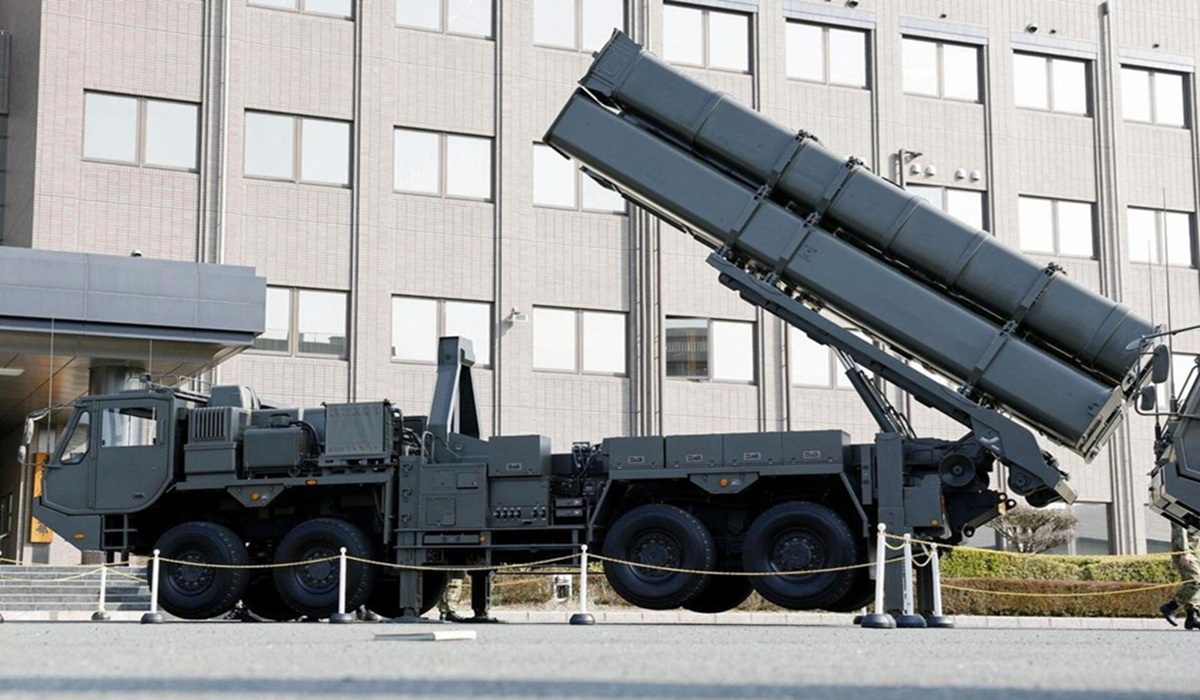 is now viewed through the lens of Great Power Competition. China, as the primary buyer of Iranian crude, views these U.S. naval assertions as a direct threat to its energy "umbilical cord." We aren't just looking at a regional spat; we are looking at a localized spark in a global powder keg.
The Silicon and Steel Friction
Inside the Data There is a common assumption among Washington analysts that "superior tech wins the day." While the U.S. Navy’s use of the latest Aegis Baseline 10 systems performed flawlessly, there is a hidden friction point: the cost-exchange ratio.
We used million-dollar interceptors to take out "suicide boats" that cost less than a high-end SUV. This is the asymmetrical reality of modern naval warfare. The IRGC isn't trying to out-gun the U.S. Fifth Fleet; they are trying to out-spend us. By forcing the U.S. into a high-tempo, high-cost defensive posture, Tehran achieves a victory in the ledger even if they lose the vessel. Our internal data suggests that at the current rate of engagement, the "defense burden" for securing the Gulf will require a 12% increase in the Navy’s operational budget just to maintain the status quo. The question we aren't asking is: How long can we sustain a policy of "maximum deterrence" when the enemy’s primary weapon is cheap, expendable attrition?
Key Takeaways
- Authorization Shift: The U.S. has moved from defensive posturing to "active neutralization" of maritime threats.
- Insurance Volatility: War Risk Surcharges are becoming a permanent fixture in maritime logistics, driving up the cost of landed goods.
- Asymmetrical Economic Drain: The cost of U.S. ordnance vastly outweighs the cost of the targets, creating a long-term budgetary sustainability issue.
- Geopolitical Overlap: The conflict is no longer localized; it is a surrogate battleground for U.S.-China-Russia relations.
The Logistics of a Locked Strait
If the Gulf of Oman moves from "intermittent skirmishes" to a "hot zone," the redirection of global shipping will be the most significant logistical pivot since the 2021 Ever Given blockage. The Cape of Good Hope route adds 10 to 14 days to a journey. For a global economy already reeling from high interest rates, this delay is a "supply shock" that could trigger a manufacturing recession in the Eurozone.
Furthermore, the technology of the IRGC has evolved. We are no longer dealing with simple speedboats. The integration of AI-guided loitering munitions (drones) means the "threat envelope" has expanded. The U.S. Navy is now forced to defend a three-dimensional battlespace-underwater UUVs, surface craft, and aerial swarms-all while maintaining the pace of commercial commerce.
Socio-Economic Ripple Effects
The domestic political stakes for the Trump administration are equally high. While "strength" is a core tenet of the administration's brand, the correlation between Gulf instability and domestic energy prices is a political minefield. The "America First" energy policy relies on domestic production, but oil is a fungible global commodity. A fire in the Gulf of Oman is felt at a gas station in Ohio.
This creates a paradox: to protect the domestic economy, the U.S. must remain deeply-and expensively-entangled in the Middle East. The authorization of this strike is an attempt to "end the problem" through overwhelming force, but history suggests that in the Persian Gulf, force often begets a more creative, decentralized form of retaliation.
Future Forecast: The Rise of Private Security
Over the next six months, expect to see a surge in the "privatization of maritime security." Just as we saw the rise of private military contractors (PMCs) during the Iraq War, shipping conglomerates like Maersk and Hapag-Lloyd are already in talks with security firms to provide onboard "kinetic deterrents."
This creates a legal gray area. If a private security team on a Greek-owned tanker fires on an Iranian vessel in international waters, who is responsible? The potential for a "black swan" event-an accidental escalation triggered by a non-state actor-is at its highest level in forty years.
The Next Strategic Hurdle
The ultimate challenge for the Trump administration isn't winning a naval skirmish; it’s defining the "Exit Velocity." Kinetic strikes are a tactic, not a strategy. If the goal is to force Iran back to the negotiating table, the current escalation may have the opposite effect, galvanizing hardliners in Tehran and pushing them closer to a "nuclear breakout" as a final deterrent.
The administration must now decide if it is prepared for a "Permacrisis" in the shipping lanes. The next twelve months will reveal if this strike was a singular message or the opening salvo of a prolonged maritime war. The strategic hurdle isn't hitting the target-it's managing the fallout once the target is gone.
Are we prepared for a world where the Strait of Hormuz is no longer a guaranteed international highway, but a toll road paid for in both blood and "conflict surcharges"? The answer to that question will define the global economy for the remainder of the decade.




Comments (0)
Leave a Comment