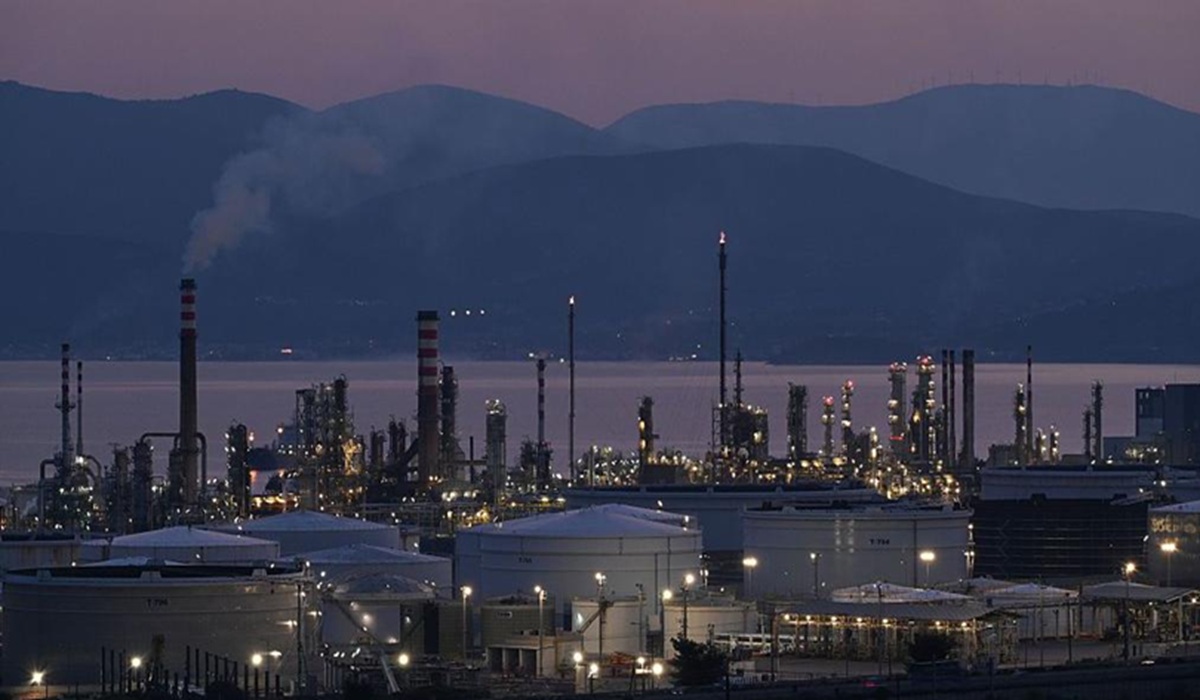
Oil markets surged as a drone strike on Kuwait International Airport signaled a volatile new phase in the Middle East conflict. With Brent crude breaching the $100 mark, global supply chains face immediate disruption, forcing a shift in Western energy strategies and heightening regional security risks.
The geography of the global energy trade just shrunk. For decades, the industry operated under the assumption that while conflict might flare in the Levant or the Persian Gulf's periphery, the core logistical hubs of the GCC remained essentially untouchable. That illusion evaporated at 5:36 AM on March 25, 2026.
When drones impacted Kuwait International Airport, they didn't just damage tarmac and terminal glass. They struck the psychological heart of the global oil transit system. We aren't just looking at a "war in the Middle East" anymore; we are looking at the systematic dismantling of the security guarantees that have kept the global economy upright since the 1970s.
The Dawn of the $100 Reality
West Texas Intermediate (WTI) and Brent crude didn't just tick upward on the news; they leaped. Markets loathe uncertainty, but they absolutely despise the realization that they have mispriced risk for years. The strike in Kuwait is a "black swan" only to those who haven't been paying attention to the increasing range and sophistication of regional drone technology.
For the average consumer in Chicago or Berlin, the explosion in Kuwait City translates to a direct hit on the wallet. We are seeing the immediate front-loading of transportation costs. Airlines, already struggling with post-pandemic debt and fluctuating demand, are now staring down a fuel surcharge crisis that could mothball entire fleets by the summer.
The Invisible Logistics of a Strike
While the headlines focus on the $100 barrel, the real story is in the insurance premiums. When we look at the data coming out of Lloyd’s of London and other major maritime and aviation insurers, the "War Risk" surcharge is climbing at a rate not seen since the early days of the 1980s Tanker War.
It isn't just about whether a drone hits a plane; it’s about whether a commercial pilot is willing to land in a zone where the air defense systems are currently "active and unproven" against low-altitude swarming munitions. We’ve been tracking the diversion of cargo ships away from the Strait of Hormuz for weeks, but the pivot of air freight is the true canary in the coal mine. If you can’t fly parts, electronics, or medical supplies into the Gulf hubs, the regional "Safe Haven" economic model effectively collapses. We are witnessing a de-globalization of the Middle East in real-time.
The Trump Doctrine vs. The Reality on the Ground
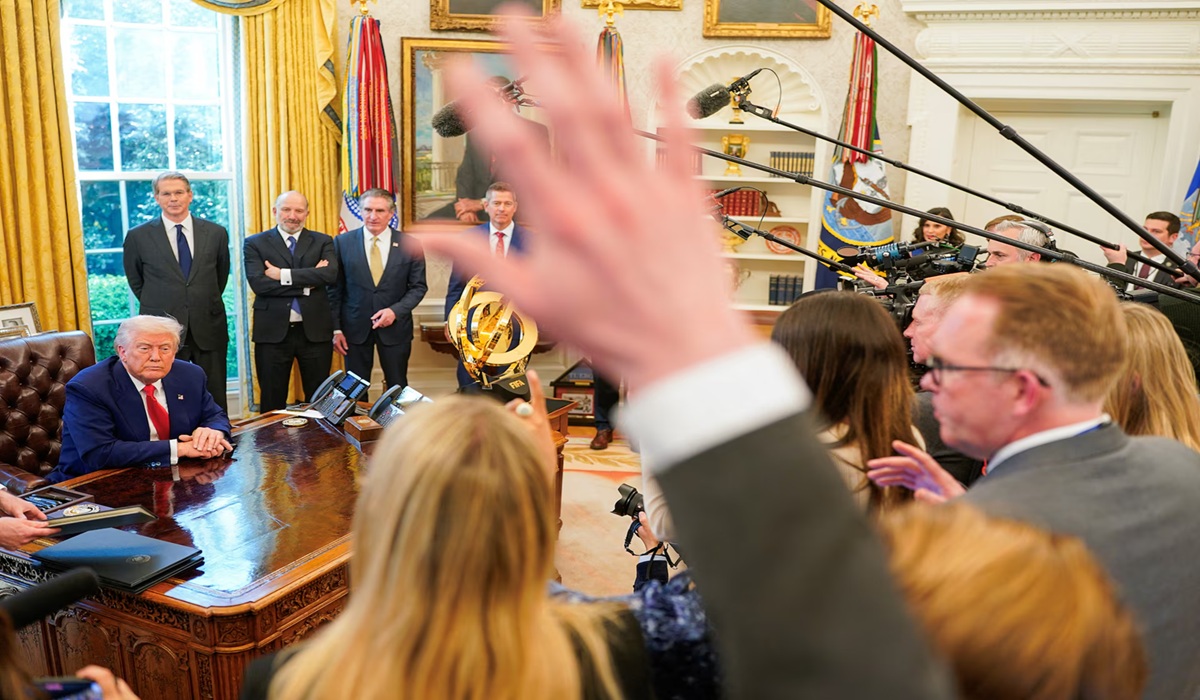
The rhetoric coming out of Washington
 suggests a "victory" is at hand, yet the tactical reality suggests a stalemate that is getting more expensive by the hour. When the U.S. administration claims the war is "won," they are likely referring to the degradation of conventional military assets. But modern warfare-specifically the kind we are seeing on Day 26-is not conventional.
A "won" war doesn't involve drones hitting one of the most protected civilian-military dual-use airports in the world. This is a classic asymmetric pivot. If an adversary cannot win a dogfight against a F-35, they will instead ensure that the fuel for that F-35 costs five times as much to deliver, and that the civilian economy supporting the base is too terrified to function.
Why Kuwait Matters More Than You Think
Kuwait has historically acted as the "neutral ground" of the Gulf. It is the mediator, the buffer, and the logistical spine for U.S. operations in the Northern Gulf. By bringing the war to Kuwaiti soil, the theater of operations has officially expanded beyond the immediate borders of the primary combatants.
The implications for the global energy supply chain are three-fold:
- Redundancy Failure: Most global energy models assume that if one port in the Gulf is compromised, another can take the slack. The Kuwait strike proves that no hub is outside the "red zone."
- The OPEC+ Fracture: Member nations are now forced to choose between maintaining production quotas and addressing the immediate, existential threat to their own infrastructure.
- The Strategic Petroleum Reserve (SPR) Gamble: Washington is under immense pressure to flood the market with SPR releases. However, with no clear end to the hostilities in sight, burning through the emergency reserve now is a move that could leave the West defenseless if the conflict lasts through the winter of 2026.
The Shift in Global Sentiment
We are noticing a distinct hardening of positions in European capitals. For the first two weeks of this conflict, there was a push for de-escalation. Now, with energy prices threatening to trigger a continental recession, the narrative is shifting toward "containment at all costs."
But containment is a ghost. You cannot contain a drone launched from a mobile platform 500 miles away that costs less than a mid-sized sedan. The cost-to-kill ratio is heavily skewed in favor of the disruptor. This is the new math of the 2026 conflict: the defender must be right 100% of the time at a cost of millions per interceptor; the attacker only needs to be right once with a $20,000 piece of hardware.
Key Takeaways for Global Markets
- Energy Volatility: Expect Brent crude to test $115 if the Kuwaiti government suspends civilian flight operations indefinitely.
- Supply Chain Lag: Electronics and specialized components that rely on Gulf air-transit hubs will see a 14-to-21-day delay in delivery schedules starting immediately.
- Security Spend: We anticipate a massive, panicked surge in private sector investment in C-UAS (Counter-Unmanned Aircraft Systems) for corporate infrastructure throughout the region.
The Long-Term Fallout: A Post-Security World
If the 20th century was defined by the struggle for territory, the 21st is being defined by the struggle for flow. The ability to move goods, data, and people across borders is the only thing that gives a currency value. The strike on Kuwait Airport is an attack on "flow."
We have to ask: what happens when the world's primary energy exporters can no longer guarantee the safety of their own front doors? We are likely to see an accelerated, albeit painful, pivot toward domestic energy production in the West—not out of a desire for "green" transitions, but out of a desperate need for national security.
The era of cheap, reliable energy from the Middle East was already on life support. This morning, the plug was pulled.
Lessons from the 1973 Embargo
To understand the gravity of today, we have to look back at the 1973 oil crisis. Back then, it was a political decision to cut supply. Today, it is a kinetic reality. In '73, the taps were turned off by hand. In '2026, the taps are being threatened by autonomous systems. The difference is that you can negotiate with a politician; you cannot negotiate with a loitering munition that has already been programmed with its coordinates.
The resilience of the global economy is being tested in a way that goes beyond mere price points. It's a test of the "just-in-time" philosophy that has governed our lives for thirty years. If the airport is closed, the "time" in "just-in-time" becomes "whenever it's safe." And in the current climate, "safe" is a relative term that fewer and fewer analysts are willing to use.
The Road Ahead
We are moving into a period of extreme "regionalization." Companies that relied on the Middle East as a bridge between East and West are already looking for alternatives. We expect to see a surge in interest for Trans-Caspian routes and even an increased reliance on the Arctic Northern Sea Route, despite the environmental and political hurdles.
The war on Iran has reached a tipping point where the "winner" might simply be the party that loses the least. As the sun sets on Day 26, the smoke clearing from Kuwait City signals a new, colder reality for the global economy. The $100 barrel isn't a peak; it’s the new floor.




Comments (0)
Leave a Comment