The trade deficit in Pakistan widened to $1.5 billion in February 2026, as a 12% surge in imports outpaced a marginal 3% recovery in exports. This growing imbalance signals a structural bottleneck, challenging the government's efforts to stabilize foreign exchange reserves through consumption-led cooling measures.
The latest data from the Pakistan Bureau of Statistics (PBS) isn't just a collection of spreadsheets; it’s a flashing yellow light for an economy trying to find its footing. For months, the narrative focused on "stability" and "consolidation." But the February figures tell a different story—one where the appetite for foreign goods is returning faster than the country’s ability to sell its own products abroad.
When the trade gap widens, it isn't just an abstract accounting problem. It’s a direct pressure point on the Rupee and a drain on the central bank’s hard-earned reserves. We are seeing a classic Pakistani economic cycle beginning to repeat: the moment the brakes are lifted even slightly, the import bill balloons.
Why the Cooling Period Ended
The $1.5 billion deficit represents a significant departure from the leaner months of late 2025. Analysis of the data suggests that the uptick is driven primarily by two factors: industrial raw materials and energy costs. As local industries attempt to ramp up production after a period of stagnation, they are finding that the domestic supply chain remains insufficient.
Importing growth is a dangerous game. When a country relies on foreign components to fuel its local manufacturing, any increase in economic activity automatically triggers a trade setback. In February, we saw a noticeable rise in the machinery and petroleum groups. While some of this is necessary for infrastructure, a large portion remains tied to consumption that the country’s current export base simply cannot fund.
Exports: The Glass Ceiling of $2.5 Billion
Pakistan’s exports have hovered around the $2.5 billion mark with frustrating consistency. Despite various incentives and "Export First" rhetoric from Islamabad, the breakthrough into the $3 billion monthly territory remains elusive.
The textile sector, the traditional powerhouse, is facing a pincer movement.
 On one side, high energy tariffs make Pakistani yarn and apparel less competitive than Vietnamese or Bangladeshi alternatives. On the other, a global slowdown in discretionary spending has dampened demand in key European and North American markets.
We are seeing the limits of a low-value-added export strategy. Selling raw cotton and basic grey cloth will never close a gap created by high-tech imports and expensive fuel. Without a pivot toward IT services, specialized engineering, or high-end finished goods, the trade balance will remain a permanent anchor on the GDP.
What the Numbers Don't Say Out Loud
If you look closely at the PBS release, the most telling figure isn't the deficit itself, but the "Import Intensity of Growth." Traditionally, for every 1% Pakistan’s economy grows, imports have historically grown by more than 1.2%.
What the official summary avoids mentioning is the "smuggling factor" and the informal trade that bypasses these numbers entirely. When formal imports are restricted or taxed heavily, the trade gap appears to shrink on paper, but the pressure on the dollar remains high because the demand is being met through "grey" channels. The February spike suggests that more trade is moving back into formal channels—not necessarily because the economy is booming, but because the informal mechanisms are becoming too expensive or risky under current enforcement.
Furthermore, there is a quiet crisis in the "SME export" category. While large textile mills have the lobbying power to secure subsidized credit, the smaller players-those who could provide the diversity Pakistan needs-are being suffocated by the cost of doing business. The trade gap is as much a result of domestic policy friction as it is of global market trends.
The Energy Trap and the Rupee’s Fate
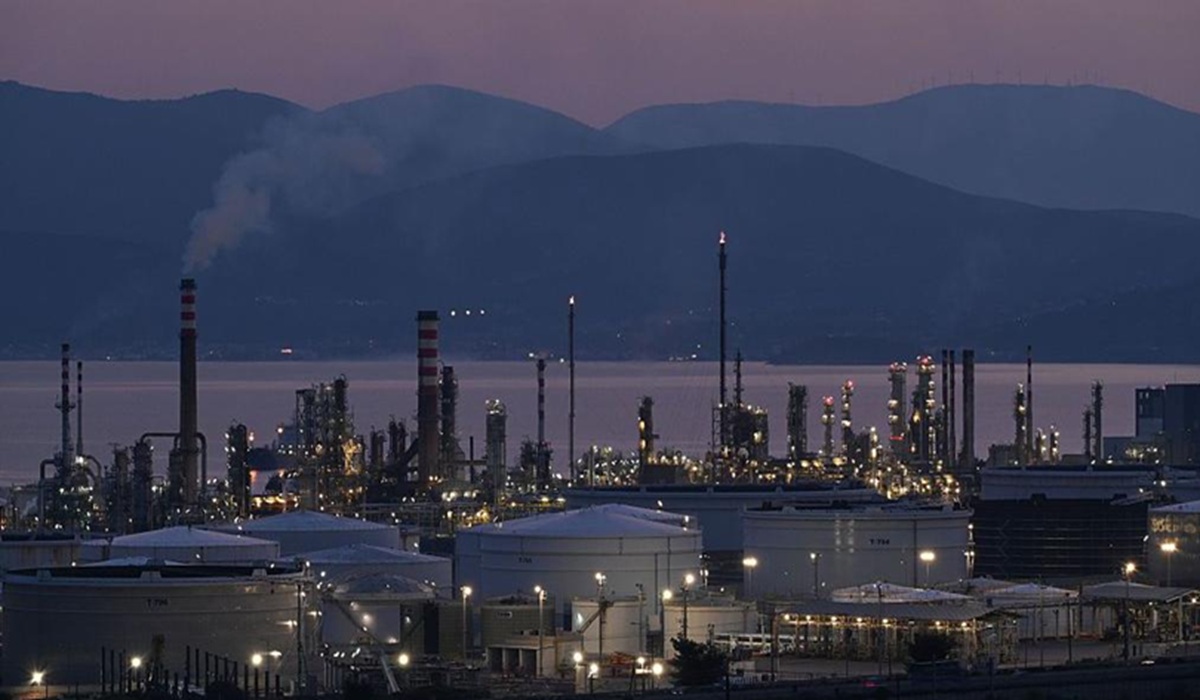
Energy remains the undisputed king of the import bill. Even with a push toward renewables, the base-load power for Pakistan’s industry is tied to imported RLNG and coal. Whenever global oil prices tick upward, or the local currency devalues, the trade gap widens automatically, regardless of how much cloth or rice the country exports.
This creates a vicious cycle. A wide trade gap leads to Rupee depreciation. Depreciation makes energy imports more expensive. Expensive energy makes exports less competitive. To break this, the "Export-Led Growth" model needs to be more than a PowerPoint presentation at a ministry meeting; it requires a radical decoupling of industrial production from imported energy.
Key Takeaways from the February Report
- Widening Deficit: The trade gap hit $1.5 billion, a sharp increase that threatens currency stability.
- Import Dominance: Imports rose by 12%, far outstripping the 3% growth in exports.
- Energy Burden: Petroleum and gas products continue to constitute the largest slice of the import pie.
- Textile Stagnation: The country's primary export engine is struggling to move beyond baseline volumes due to high input costs.
- Policy Implications: The State Bank may be forced to keep interest rates higher for longer to suppress import demand.
The IMF Perspective
With Pakistan consistently engaged in programs with the International Monetary Fund (IMF), the trade balance is a primary metric of "performance." The IMF views a widening trade deficit as a sign of an overheated economy or a misaligned exchange rate.
If this trend continues through the spring, expect the Fund to demand tighter fiscal controls. This could mean more taxes on imports or further hikes in utility prices to dampen consumption. For the average citizen, the "Trade Gap" is the reason why the price of electronics, fuel, and imported food continues to climb.
Beyond the Crisis Management
To solve the trade imbalance, Pakistan must move beyond "crisis management" and toward "structural transformation." This involves three non-negotiable shifts:
- Value Addition: Transitioning from raw commodities to finished, branded products.
- Market Diversification: Moving beyond the US and EU to tap into Central Asian and African markets.
- Import Substitution: Incentivizing the local production of chemicals, steel, and machinery parts that currently drain billions in foreign exchange.
The February trade data is a reminder that stability is fragile. As long as the country buys more than it sells, the economy remains on a tightrope. The goal for 2026 shouldn't just be to survive the deficit, but to fundamentally rewrite the trade equation.




Comments (0)
Leave a Comment