Pulse Summary: President Donald Trump has issued a final 8:00 PM ET deadline for Iran to reopen the Strait of Hormuz or face the "complete demolition" of its national infrastructure. Brent crude remains volatile at $110/barrel as JD Vance and Steve Witkoff lead high-stakes negotiations to avert a global energy collapse.
The geopolitical clock is no longer ticking; it is tolling. As of Tuesday, April 7, 2026, the global energy market sits on a knife-edge. President Donald Trump has moved beyond the rhetoric of "maximum pressure" into the realm of kinetic finality. His demand is singular and non-negotiable: the immediate and unconditional reopening of the Strait of Hormuz.
The stakes are historically unprecedented. For the first time in the modern era, the world’s most vital energy artery-a channel responsible for 20% of global petroleum liquids-has been throttled to a near-standstill. Following a month of escalating conflict that saw the death of Supreme Leader Ali Khamenei and the initiation of "Operation Epic Fury," the global economy is gasping for air. Trump’s message from the White House lawn was devoid of his usual brand of optimism: "If they don’t cry uncle, no bridges, no power plants, no anything."
The Art of the Lethal Deal
This is not 2018. The 2026 crisis is defined by a hard military reality that has seen major shipping conglomerates-Maersk, Hapag-Lloyd, and CMA CGM-abandon the Persian Gulf entirely. While the Trump administration initially signaled that the Strait’s reopening was not a core military objective, the President has pivotally shifted the goalposts. In a move that mirrors his "America First" transactionalism, Trump has linked a permanent ceasefire to the total restoration of maritime flow.
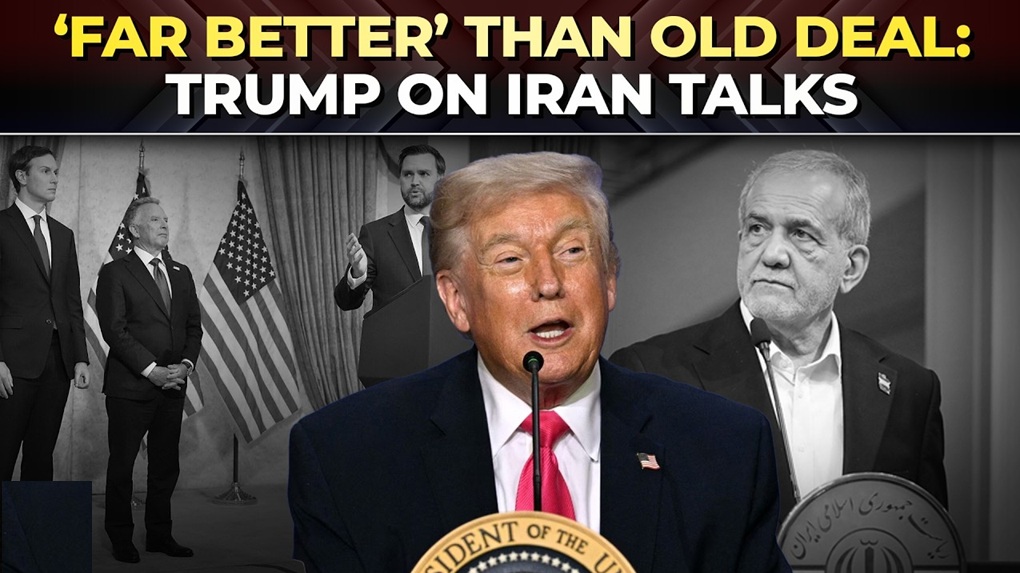
Vice President JD Vance and special envoy Steve Witkoff are currently navigating a diplomatic minefield. Tehran, represented by its mission in Cairo, has rejected previous Pakistan-mediated pauses, demanding not just a ceasefire but a "permanent end to the war," comprehensive sanctions relief, and reconstruction reparations. The friction lies in the sequence: Trump demands the water open first; Iran demands the bombs stop falling first.
Key Takeaways: The April 7 Threshold
- The Deadline: 8:00 PM ET tonight is the "go/no-go" point for a massive expansion of air operations.
- The Threat:
Precision strikes targeting every major bridge and power grid node across the Iranian plateau.

- The Economic Toll: Oil prices have surged 1.4% to $110/barrel in 24 hours, with peaks of $126 recorded earlier in the crisis.
- Shipping Paralysis: Traffic remains 90% below pre-conflict levels, despite minimal "permitted" transits reported by Fars News.
The Fragility of the "Off-Ramp"
In my time analyzing regional escalations, I have found that the most dangerous moment is not the initial strike, but the moment an "off-ramp" becomes a "dead end." There is a persistent industry assumption that both sides are looking for a face-saving exit. However, the data suggests otherwise.
Internal reports indicate that Iran’s rejection of the Pakistan-mediated deal wasn't a tactical stall-it was a fundamental refusal to return to a status quo where their leverage is nil. By targeting energy headquarters in Kuwait and mining the Strait, Tehran has signaled it is willing to "bring down the economies of the world," as Qatari Energy Minister Saad Sherida al-Kaabi warned. We must be skeptical of the "good faith" negotiations Trump cited yesterday; when one side threatens "complete demolition" and the other demands "war damages," the middle ground is a crater.
The Lateral Ripple: From Energy to Electronics
To understand the 2026 Hormuz crisis, one must look beyond the gas pump. The closure has triggered a "Suez 2.0" effect, forcing ships to reroute around the Cape of Good Hope, adding weeks to transit times. But the real "Information Gain" lies in the overlooked commodity markets.
The Strait of Hormuz is not just an oil pipe; it is a critical corridor for aluminum, fertilizer, and helium. While the media focuses on Brent crude, the agricultural sector is bracing for a catastrophic spike in fertilizer costs, potentially destabilizing food security in North Africa and South Asia by Q3 2026. This mirrors the 1970s energy crisis but with a 21st-century twist: the global semiconductor supply chain, already strained by recent trade tensions, is now facing a logistics "black hole" as Gulf-based logistics hubs go dark.
Strategic Architecture: The Military Math
The Trump administration’s threat to destroy bridges and power plants is a shift from "decapitation" strikes to "functional paralysis." By targeting the power grid, the U.S. aims to force a domestic collapse that makes maintaining a maritime blockade impossible.
Future Forecast: The 3 Possible Scenarios
- The "Hormuz Protocol" (40% Probability): A last-minute deal where a "Neutral Administrative Mechanism" (likely involving Oman and Pakistan) takes over Strait security, allowing Trump to claim victory and Iran to claim sovereignty.
- The "Dark Grid" Escalation (45% Probability): The deadline passes. U.S. forces initiate a 4-hour "demolition" window. Iran responds with saturation drone strikes on GCC desalination plants, turning a regional war into a humanitarian catastrophe.
- The Prolonged Chokepoint (15% Probability): A stalemate where limited, "escorted" convoys attempt to run the blockade, keeping oil at a permanent "war premium" of $140+.
The Next Strategic Hurdle
As we look toward the next 12 months, the primary challenge for global leaders isn't just surviving this week’s deadline-it’s the permanent loss of the "Security of the Commons." The Strait of Hormuz has been proven vulnerable. Even if a deal is signed tonight, the insurance premiums for the Persian Gulf will never return to 2025 levels.
The strategic hurdle for the Trump administration will be the "Post-War Quagmire." If the Iranian grid is destroyed, who manages the resulting 85 million-person humanitarian crisis? If the Strait is "opened" by force, how do you protect a 21-mile-wide channel from a thousand "ghost" mines and asymmetric drone swarms? The era of guaranteed maritime passage is over; we are now in the age of contested corridors.



Comments (0)
Leave a Comment