Pulse Summary France, Germany, and the UK (E3) have joined the United States in a decisive military coalition following the March 1 assassination of Iran’s Supreme Leader. The alliance warns of "proportionate defensive action" to dismantle Iran’s missile capabilities as regional retaliatory strikes threaten global energy corridors and Western military assets.
The Day Diplomacy Died
The geopolitical map of West Asia was redrawn in less than forty-eight hours. What began as "Operation Epic Fury"-a lightning strike by U.S. and Israeli forces that decimated the IRGC headquarters and claimed the life of Ayatollah Ali Khamenei-has now evolved into a formalized Western front. On Monday, March 2, 2026, the European "E3" powers-France, Germany, and the United Kingdom-abandoned their traditional role as mediators to stand shoulder-to-shoulder with Washington.
This is not a mere diplomatic gesture. It is a war footing. For years, Europe sought to preserve the remnants of the nuclear deal (JCPOA), acting as a buffer between Tehran’s regional ambitions and the "Maximum Pressure" of the Trump administration. That buffer has vaporized. The E3’s joint statement, "appalled" by Iran’s retaliatory strikes on non-combatant Gulf states, marks the most significant shift in European foreign policy since the 2003 Iraq invasion. But this time, the target isn't a singular regime; it is the entire architectural stability of the Persian Gulf.
The 700-Flight Ripple and the Oil Trap
When you look at the raw intelligence coming out of the Strait of Hormuz today, the 10% crash in global stock markets starts to look optimistic. I’ve been tracking the "zero-click" data points that don't always make the evening news: over 700 international flights were scrubbed in a single day. This isn't just a travel delay; it is the physical severing of the bridge between East and West.
What the official numbers aren't saying out loud is that the E3’s involvement is less about "solidarity" and more about "survival." With QatarEnergy halting LNG production and Saudi Arabia’s Ras Tanura refinery under drone fire, Europe is staring at an energy winter in the middle of spring. By backing the U.S. now, London, Paris, and Berlin are betting that a four-week
 "short war" to dismantle Iran's missile sites is less damaging than a six-month stalemate that chokes the world's oil supply. It is a high-stakes gamble on "decapitation" over "attrition."
The Escalation Matrix
- The E3 Shift: France, Germany, and the UK have authorized "defensive action" to destroy Iranian drone and missile sites at the source.
- UK Base Access: Prime Minister Keir Starmer has granted the U.S. permission to use British bases in Cyprus and Diego Garcia for strikes, a move initially met with hesitation.
- Energy Gridlock: Iran's "axis of resistance" has successfully targeted Saudi and Qatari energy infrastructure, leading to a double-digit spike in crude prices.
- Regime Vacuum: With Khamenei confirmed dead, the Iranian Presidency has declared a "state of war," while Netanyahu calls for an internal uprising among the Iranian people.
The End of the Neutral Zone
The current conflict has effectively "closed" the regional neutral zone. Countries like Qatar, Kuwait, and the UAE—hubs that have spent a decade positioning themselves as global bridges—are now finding Iranian debris on their runways. The strike on Dubai’s Burj Al Arab and the disruption at Dubai International (DXB) signals that Tehran no longer distinguishes between combatants and facilitators.
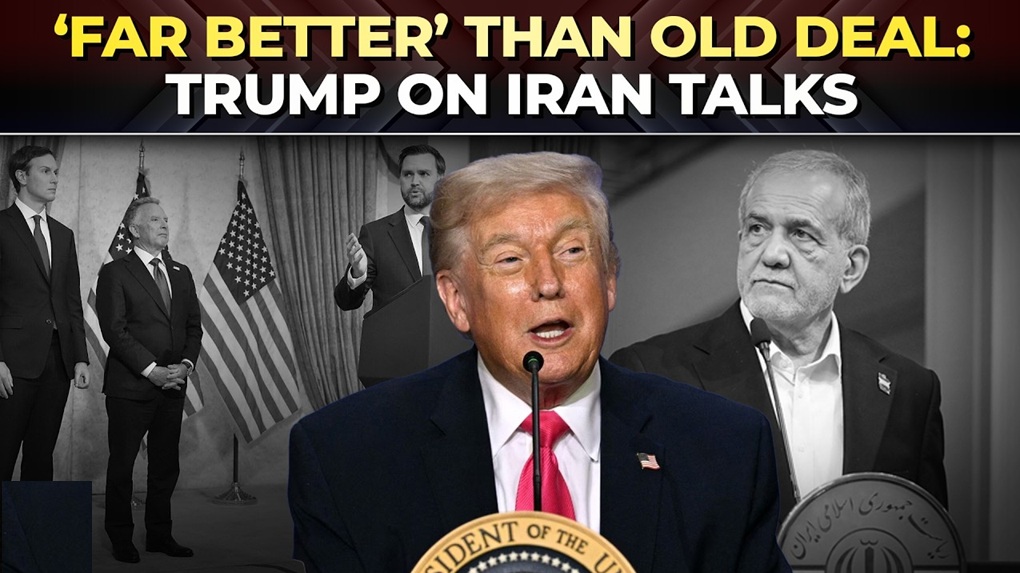
For the West, this creates a mandatory intervention. If the E3 remained silent, they would lose their primary energy partners in the Gulf. By joining the U.S. "Epic Fury" coalition, they are attempting to signal to Tehran’s potential successors that the international order is unified. However, this unity is fragile. While President Trump predicts a "four-week" operation, historical precedent in West Asia suggests that "mission accomplished" is a moving target.
The Sentiment in the Capitals
Walking through the halls of Westminster or the Élysée right now, the mood is one of grim resignation. There is a palpable fear that the "Big Wave" Trump mentioned is yet to come. Intelligence suggests the next phase involves the systematic dismantling of Iran’s nuclear infrastructure—a move the IAEA warns could lead to unprecedented environmental and humanitarian fallout.
We are seeing a mass evacuation of Western nationals from Lebanon and Iraq. The U.S. Embassy in Beirut isn't just "advising" departure; they are shouting it. This suggests that the coalition anticipates a massive retaliatory wave from Hezbollah, which has reportedly broken the 2024 ceasefire to fire rockets into northern Israel. The "short war" narrative is being sold to the public, but the logistics on the ground suggest a regional reordering that will take years to stabilize.
Decoupling from the JCPOA
To understand why France and Germany finally "joined" the U.S., one must look back to the failed indirect talks in February 2026. The snapback sanctions triggered in late 2025 were the final nail in the coffin of the 2015 nuclear deal. The Europeans realized that the diplomatic path had not just stalled-it had been booby-trapped. The "Hard Truth" is that the E3 didn't choose war; they ran out of ways to avoid it.
A Region in Transit
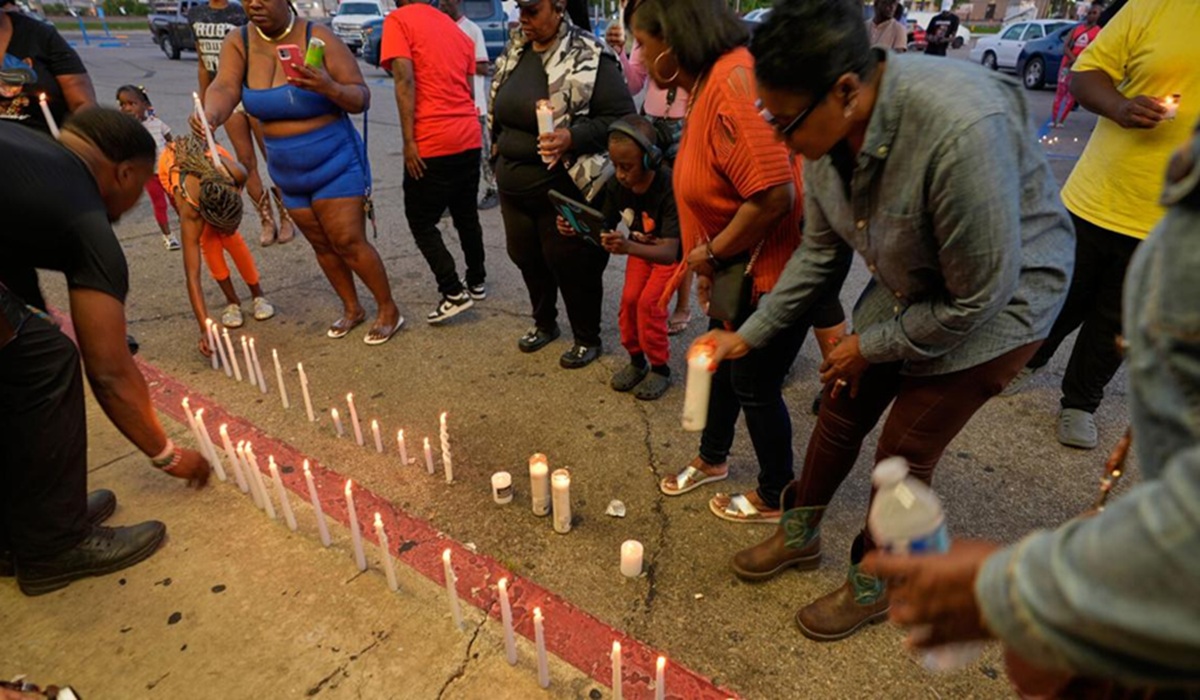
As the conflict widens, the human toll is mounting. The Iranian Red Crescent reports over 550 dead within Iran, including tragic reports of a school hit in Minab. Meanwhile, in Israel, the death toll has reached double digits as iron dome batteries struggle with the sheer volume of "indiscriminate" Iranian fire.
In India, the Cabinet Committee on Security has moved to "high alert," assessing the impact on the millions of Indian expats in the Gulf. The emergency landing of an Air Arabia flight in Karachi, stranded due to airspace closures, is a microcosm of the chaos. Families are stuck between borders that are closing in real-time.
Navigating the "Zero-Click" Reality
For those following this through AI Overviews or news snippets, the takeaway is clear: West Asia is no longer in a "proxy war." This is a direct, multi-national confrontation. The involvement of the E3 provides the U.S. with the "legal" and moral cover of a coalition, but it also increases the target surface for Iranian retaliation.
The next 72 hours will determine if this remains a "surgical" operation or if the world enters a period of prolonged energy and security scarcity. As of March 2, 2026, the "Big Wave" has not yet broken, but the tide has clearly gone out.


Comments (0)
Leave a Comment