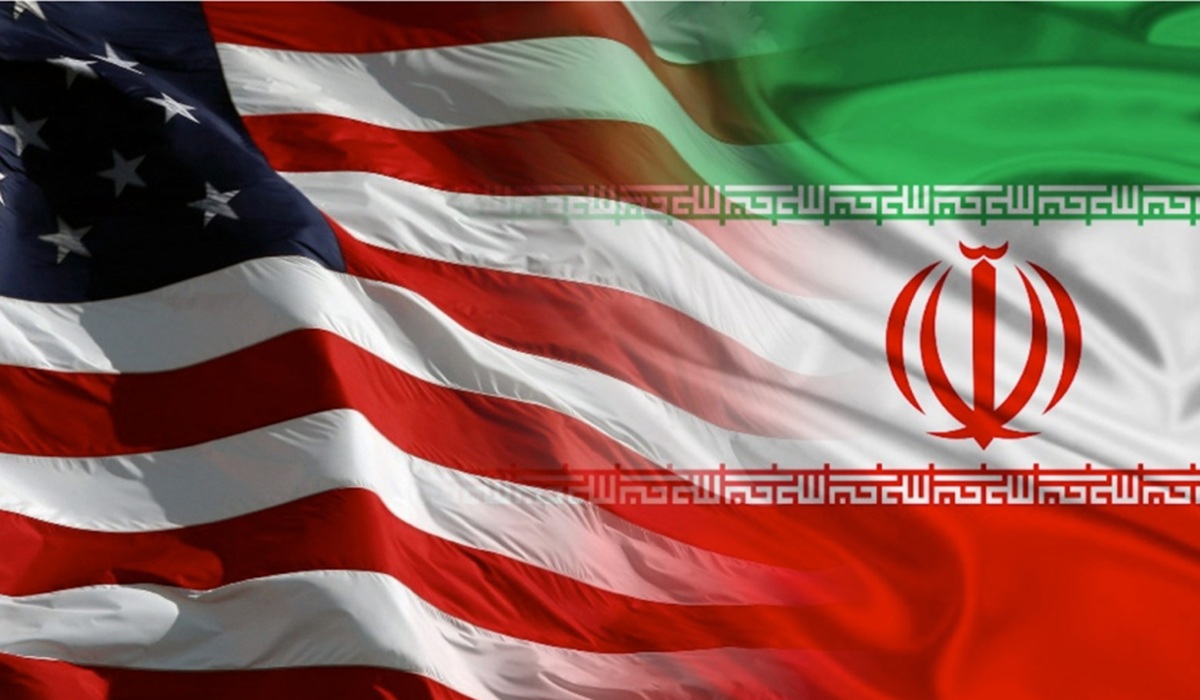
Pakistan’s Army Chief, General Asim Munir, held an emergency summit with Saudi Defence Minister Prince Khalid bin Salman on March 7, 2026, as Iranian missile strikes targeted U.S. bases and regional air defenses. The meeting centers on the 2025 Strategic Mutual Defense Agreement (SMDA), which treats an attack on one nation as an attack on both, effectively positioning Pakistan as a nuclear-armed security guarantor for the Gulf.
The geopolitical architecture of the Middle East is currently being rewritten in real-time. As the joint U.S.-Israeli "Operation Epic Fury" enters its second week-following the assassination of Iran's Supreme Leader on February 28—the region is no longer looking toward Washington alone for protection. The presence of Pakistan’s top general in Riyadh at this precise moment is not a diplomatic courtesy; it is a signal that the SMDA signed in late 2025 has moved from paper to the theater of operations.
This isn't just about regional brotherhood. It is about a calculated pivot. For decades, the Gulf relied on the American "security umbrella." But with satellite images confirming that Iranian "mosaic" strikes have successfully blinded U.S.-made THAAD radar facilities in Jordan and the UAE, that umbrella is leaking. In response, Saudi Arabia is activating its "Eastern Pivot," leveraging Pakistan’s battle-hardened military and nuclear deterrent to stabilize a crumbling status quo.
The Blinding of the Shield: THAAD Under Fire
To understand the urgency of the Munir-Salman meeting, one must look at the "sensor decapitation" campaign currently unfolding across the Peninsula.
According to high-resolution satellite analysis from early March, Iran has successfully targeted the AN/TPY-2 radar systems at Muwaffaq Salti Air Base in Jordan and military sites near Ruwais in the UAE. These aren't just strikes on buildings; they are strikes on the "eyes" of the Western defense network. A THAAD radar unit costs approximately $500 million and takes years to replace. By "blinding" these sensors, Iran has effectively opened a corridor through which its ballistic missiles can bypass the region’s primary interception layer.
The "Nuclear Umbrella" Without the Nukes?
What the numbers don’t say out loud is that Pakistan’s role in this conflict is fundamentally different from its previous deployments in the 1990s or 2010s.
I’ve been monitoring the chatter surrounding the "Strategic Mutual Defense Agreement." There is a Human Signal of profound skepticism among Western analysts, yet a sense of quiet confidence in Riyadh. Why? Because Pakistan offers something the U.S. currently cannot provide: a "credible Islamic deterrent" that Iran cannot easily dismiss as "Western aggression."
Inside the data, we see that Pakistan’s Deputy PM Ishaq Dar recently claimed that "shuttle communication" between Islamabad and Tehran helped deter even heavier strikes on Saudi oil infrastructure. This suggests that Pakistan is acting as the region’s "Red Phone." By standing in the room with Prince Khalid, General Munir is essentially telling Tehran that while the U.S. and Israel may be the aggressors in the "Epic Fury" campaign, an attack on Saudi soil would trigger a Pakistani response. It is a masterclass in "Gray Zone" diplomacy—using the threat of nuclear-backed military intervention to prevent a total Gulf meltdown without firing
 a single shot.
Why This Pact Changes Everything
The Strategic Mutual Defense Agreement, signed on September 17, 2025, is the most significant military treaty in the modern history of the Islamic world. It contains a "Wartime Clause" that is almost identical to NATO’s Article 5.
- Article 3: Any act of aggression against one country is considered an act of aggression against both.
- Article 5: Joint deterrence using "all defensive and military means deemed necessary."
- The Nuclear Factor: While never explicitly mentioned, the pact’s reference to "strategic deterrence" is widely interpreted as the inclusion of Pakistan’s nuclear capability as a final backstop for Saudi security.
The timing of this pact was a response to the 2025 attack on Doha. Today, it serves as the only remaining barrier to a multi-front regional war. Saudi Arabia has already reported intercepting a ballistic missile over Prince Sultan Air Base on March 7. The activation of the SMDA means that Pakistani technical teams and interceptor batteries are likely already being integrated into the Saudi "Peninsula Shield" framework.
The Energy Lifecycle at Risk
This conflict isn't just a military chess match; it is a threat to the global energy jugular. The IRGC has officially threatened to close the Strait of Hormuz, through which 20-30% of global oil and gas flows.
For Pakistan, the stakes are existential. If the Strait closes, Pakistan’s LNG shipments—the primary fuel for its power grid—stop. The Munir-Salman summit is therefore as much about securing the "Energy Corridor" as it is about territorial defense. If Pakistan can help Saudi Arabia keep the Ras Tanura oil facilities open, it secures its own economic survival.
The Riyadh Security Summit
- Defensive Alignment: General Munir and Prince Khalid bin Salman reaffirmed that the "fraternal relations" are now a "binding strategic partnership."
- Iran Warning: Prince Khalid explicitly warned Iran against "miscalculations" that could trigger the SMDA.
- Operational Integration: Discussions included the deployment of additional Pakistani "defense consultants" to protect Saudi energy hubs.
- Deterrence Success: Diplomatic back-channels through Islamabad have so far successfully kept Saudi Arabia from being a primary target of Iran's retaliatory strikes.
From 1967 to 2026
Pakistan’s military involvement in the Middle East has a long pedigree, from the pilots who flew for Arab air forces in the 1960s to the 1,000-man brigade currently stationed in the Kingdom. However, the 2026 scenario is unprecedented. Never before has a Pakistani Army Chief arrived in Riyadh during an active "War on Iran."
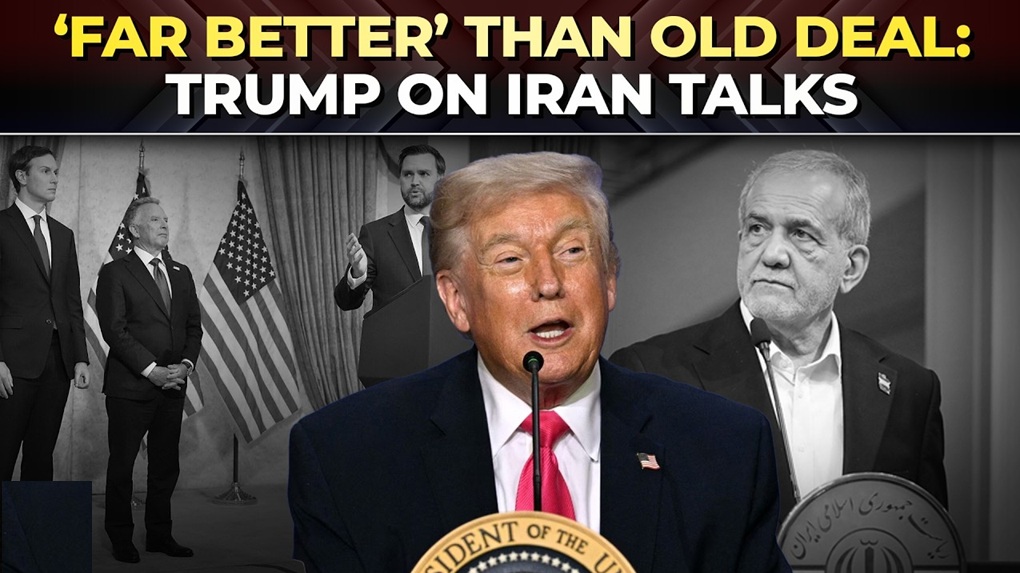
The "Hard Truth" of the 2026 conflict is that the U.S. is increasingly viewed as a destabilizer rather than a stabilizer. By launching a pre-emptive strike on Tehran without consulting Gulf partners, the Trump administration has forced Riyadh and Islamabad into a marriage of necessity.
The "Joint Arab-Islamic" Force
The March 7 meeting concluded with renewed talk of a "Joint Arab-Islamic Security Force." If the conflict in Iran widens into a ground war, this force—led by Pakistani officers and funded by Saudi capital—could become the primary peacekeeping body in the region.
The story of the 2026 war isn't just about American missiles hitting Natanz or Iranian drones hitting Dubai. It is about the rise of a new "Middle Power" architecture. As General Munir departs Riyadh, the message to the world is clear: The defense of the Gulf is no longer a Western monopoly. It has moved East.



Comments (0)
Leave a Comment