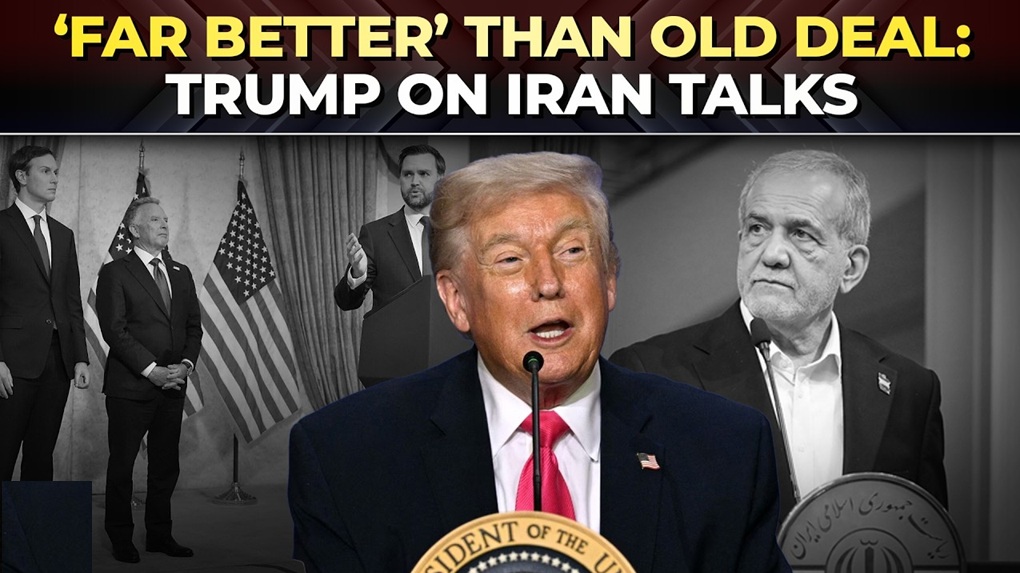
U.S. President Donald Trump has publicly rebuked Prime Minister Keir Starmer, labeling his hesitation to back strikes on Iran as "not Churchillian." The diplomatic fallout intensifies as Britain deploys the HMS Dragon to Cyprus following a drone attack on the RAF Akrotiri airbase, signaling a fracturing "Special Relationship."
The "Special Relationship" between Washington and London has hit a structural breaking point. As the Middle East conflict enters a high-kinetic phase, the friction between Donald Trump’s "America First" military pragmatism and Keir Starmer’s "International Law" caution has spilled into the open. What began as a disagreement over base access has escalated into a public war of words that threatens to redefine Trans-Atlantic security for the remainder of the decade.
The "Churchill" Jab: Why the Rhetoric Matters
In the high-stakes world of diplomacy, words are weapons. By invoking Winston Churchill, Trump isn't just criticizing a policy; he is challenging the very core of British national identity. Speaking from the Oval Office alongside German Chancellor Friedrich Merz, Trump expressed a level of "disappointment" that is rarely aired so candidly between allies.
"This is not Winston Churchill that we're dealing with," Trump remarked, highlighting a perceived lack of resolve in 10 Downing Street. The root of the anger lies in Starmer's initial refusal to allow U.S. bombers to use British Sovereign Base Areas (SBAs) in Cyprus and Diego Garcia for the opening salvo against Tehran. While Starmer eventually relented for "defensive" operations, the delay cost the U.S. tactical time-a commodity Trump values above all else.
The Chagos and Greenland Backdrop
The tension didn't start with Iran. The relationship was already frayed by two major points of contention:
- The Chagos Archipelago: Trump has been a vocal critic of the UK’s decision to cede sovereignty of these islands, which house the vital Diego Garcia base. He has characterized the move as "giving away" a strategic asset.
- The Greenland Bid: The UK’s refusal to support Trump’s renewed interest in Greenland earlier this year created a cold front in diplomatic communications that has yet to thaw.
Drones over Akrotiri
While the politicians bickered, the reality of the war arrived at the gates of RAF Akrotiri. On Sunday night, an Iranian-made drone-suspected to be launched by Hezbollah-struck the runway of the British base in Cyprus.
Although the Ministry of Defence (MoD) confirmed there were no casualties and "limited damage," the psychological impact was significant. For years, Akrotiri has been a sanctuary for Western intelligence and logistics. The fact that a "low-tech" Shahed-style drone could breach its perimeter is
 a wake-up call for the Royal Air Force.
Britain’s High-Tech Response
In a bid to restore deterrence and protect British personnel, Starmer announced the deployment of the HMS Dragon, a Type 45 destroyer.
- Capabilities: Known for its sophisticated Sampson radar, the Dragon is designed to track hundreds of targets and launch eight missiles in under ten seconds.
- Support: The warship is accompanied by Wildcat helicopters equipped with Martlet missiles, specifically designed for counter-drone operations.
- The Message: This is a defensive flex. Starmer is signaling that while Britain won't join "regime change from the skies," it will defend its own sovereign territory with extreme prejudice.
The Strategic Mismatch
If you look past the headlines, the data shows a fundamental divergence in how London and Washington view the "Endgame" in Iran. Trump is operating on a "Maximum Pressure 2.0" model, where the assassination of high-level figures (including the reported death of the Supreme Leader) is seen as a necessary precursor to a new regional order.
Starmer, a former human rights barrister, is constrained by a different set of metrics. His government is obsessed with the "Iraq Lesson"-the fear of being dragged into an illegal war without a viable post-conflict plan. Internal polling suggests that while the British public is wary of Iran, they are even more terrified of a "Forever War" initiated by an unpredictable American administration.
What the numbers don't say out loud is that Britain's military is stretched to its absolute limit. With only three of its six Type 45 destroyers currently available due to maintenance issues, sending the HMS Dragon to the Mediterranean leaves other gaps in the UK's global maritime defense. Starmer isn't just being cautious; he's being frugal with a depleted arsenal.
The New Trans-Atlantic Reality
This isn't just a spat between two leaders; it's a shift in the global security architecture.
- The Law vs. The Win: Starmer’s insistence on a "lawful basis" for every strike puts him at odds with a White House that views international law as a secondary concern to national security.
- The "Uncooperative" Label: By grouping the UK with Spain as "uncooperative," Trump is signaling that the Special Relationship no longer enjoys its "most-favored-nation" status in military planning.
- The European Pivot: Trump’s praise for France and Germany (who have been more aligned with the U.S. in recent days) suggests he is willing to bypass London if he finds more willing partners on the Continent.
Key Takeaways for the Week Ahead
- Base Access: Expect continued friction over the use of Akrotiri for offensive sorties. Starmer remains firm: the bases are for defense only.
- Naval Presence: The arrival of the HMS Dragon will test Iran’s willingness to target British assets directly.
- Diplomatic Isolation: Starmer faces a pincer movement at home-criticized by the Right (Kemi Badenoch) for being too slow, and by the Left (Reform UK and Greens) for getting involved at all.
The "Regime Change" Red Line
Starmer’s most revealing quote this week was his dismissal of "regime change from the skies." It was a direct, if implicit, rebuke of the U.S.-Israeli strategy. By prioritizing a "negotiated settlement" over total military victory, the UK is positioning itself as the "adult in the room"-a role that rarely wins friends in a White House built on "winning."
As the smoke clears from the Akrotiri runway, the question isn't just about whether the UK can defend its bases. It's about whether the Special Relationship can survive a war where the two allies are reading from entirely different playbooks.



Comments (0)
Leave a Comment