Pulse Summary Prime Minister Shehbaz Sharif has announced sweeping austerity measures and a record petrol price hike of Rs55 per litre to counter the economic fallout from the US-Israel-Iran war. With global crude surpassing $118, Pakistan faces a $600 million monthly import bill, forcing mandatory fuel conservation and regional diplomatic shifts.
A Nation Bracing for the "War Premium"
The sirens over Tehran and the drone swarms in the Persian Gulf have found a quiet, devastating echo in the fuel queues of Islamabad. On Monday, March 9, 2026, Prime Minister Shehbaz Sharif addressed a nation already weary from inflation, delivering a message that was as much a warning as it was a policy shift. The Middle East war—specifically the blockade of the Strait of Hormuz—is no longer a distant geopolitical headline; it is a direct threat to the Pakistani kitchen.
With global oil prices skyrocketing past $118 a barrel, the government’s hand was forced. The record-breaking increase of Rs55 per litre in petroleum products is the largest single hike in the country’s history. This isn't just about a price tag; it’s about a structural "war premium" that Pakistan simply cannot afford to ignore. The Prime Minister’s address signaled the end of "business as usual," ushering in a contingency era defined by restricted movement and curtailed consumption.
The Blueprint of a Siege Economy
The austerity plan unveiled today is a calculated retreat into conservation. By reviving the "Covid-era" protocols of work-from-home and distance learning, the administration is attempting to slash the national fuel bill before the foreign exchange reserves are hollowed out. Finance Minister Muhammad Aurangzeb has warned that the monthly oil import bill could swell to $600 million-a figure that would shatter the fragile stabilization achieved through recent IMF programs.
This plan includes:
- Mandatory Remote Work: Federal and provincial government offices are shifting to a hybrid model to reduce vehicle usage.
- Educational Conservation: Schools and universities in major urban centers are moving to online classes for a two-month period.
- Fuel Rationing for VIPS: A 25% cut in fuel allowances for government officials and the grounding of non-essential VIP motorcades.
- Strategic Stockpiling: The Petroleum Division has been tasked with daily stock reporting to prevent hoarding and ensure the "adequate reserves" currently in the country last through the initial shock of the Gulf blockade.
What the Numbers Don’t Say Out Loud: The Human Signal
While the spreadsheets in the Finance Division show "comfortable levels" of petroleum stocks for the next few weeks, the reality on the street is far more volatile. I spent the morning at a fuel station in Rawalpindi, watching the mood shift from frustration to a quiet, simmering panic. People aren't just worried about the Rs324 price tag; they are worried about the "scarcity ripple." > What the official data misses is the psychological toll of a war that feels both inevitable and unmanageable. When the PM says the elite must bear the burden, the public hears a familiar rhetoric. But the fact that the government is even considering closing schools again tells you that the "war premium" is already being paid by the youth. We are witnessing thesecuritization of the Pakistani lifestyle, where every litre of petrol is now a strategic asset rather than a commodity.
Geopolitical Deadlock: Between Tehran and Riyadh
Pakistan finds itself in a precarious diplomatic pincer movement. The assassination of Iranian Supreme Leader Ayatollah Ali Khamenei on February 28, 2026, and the subsequent "Operation Epic Fury" by US-Israeli forces, has placed Islamabad’s 900-kilometer border with Iran on high alert. Simultaneously, Pakistan’s 2025 Mutual Defence Agreement with Saudi Arabia creates a binding obligation to protect the Kingdom-which has already come under retaliatory drone attacks from Iran.
The Prime Minister’s condemnation of the attacks on both Iran and the Gulf states highlights the thin tightrope Islamabad is walking. By acknowledging the "war of choice" in the Middle East, Shehbaz Sharif is signaling to the West that Pakistan will not be a silent partner in a conflict that is actively dismantling its economy. However, the reliance on Gulf oil and gas means that any further escalation in the Strait of Hormuz could effectively "bring down the economies of the world," as Qatar's energy minister recently warned.
The Second Wave of Inflation
The Second Wave of Inflation
The "Petrol Shock" of March 2026 is the catalyst for a much larger economic contagion. Transport costs are the DNA of food prices in Pakistan. With diesel reaching nearly Rs336 per litre, the cost of moving wheat and vegetables from the farm to the city will inevitably surge. This coincides with the month of Ramazan, typically a period of high consumption, creating a perfect storm for a second wave of hyperinflation.
The SBP's decision to maintain the policy rate at 10.5% suggests a "wait and see" approach, but the market is already pricing in a harsher reality. The IMF’s involvement in providing relief on the petroleum levy is a critical lifeline, but it comes with the expectation of even more transparent-and potentially painful-fiscal reforms.
The Cost of the Conflict
- Unprecedented Price Surge: The Rs55 hike takes petrol to Rs321 and diesel to Rs336, reflecting a 20% jump in one week.
- Conservation over Convenience: Work-from-home and online learning are no longer options but state-mandated fuel-saving measures.
- Energy Security at Risk: The blockade of the Strait of Hormuz threatens 20% of the world's oil supply, leaving Pakistan vulnerable to "force majeure" declarations by Gulf suppliers.
- Diplomatic Neutrality Under Fire: Pakistan is struggling to honor its defense pact with Saudi Arabia while avoiding a full-scale confrontation with a volatile Iran.
The Long Road to Decoupling
If there is any lesson to be drawn from the 2026 crisis, it is that energy insecurity is a strategic weakness that no amount of diplomacy can fully mask. The "red flag" has been raised: Pakistan cannot continue to tether its economic stability to the volatile ebbs and flows of the Middle East.
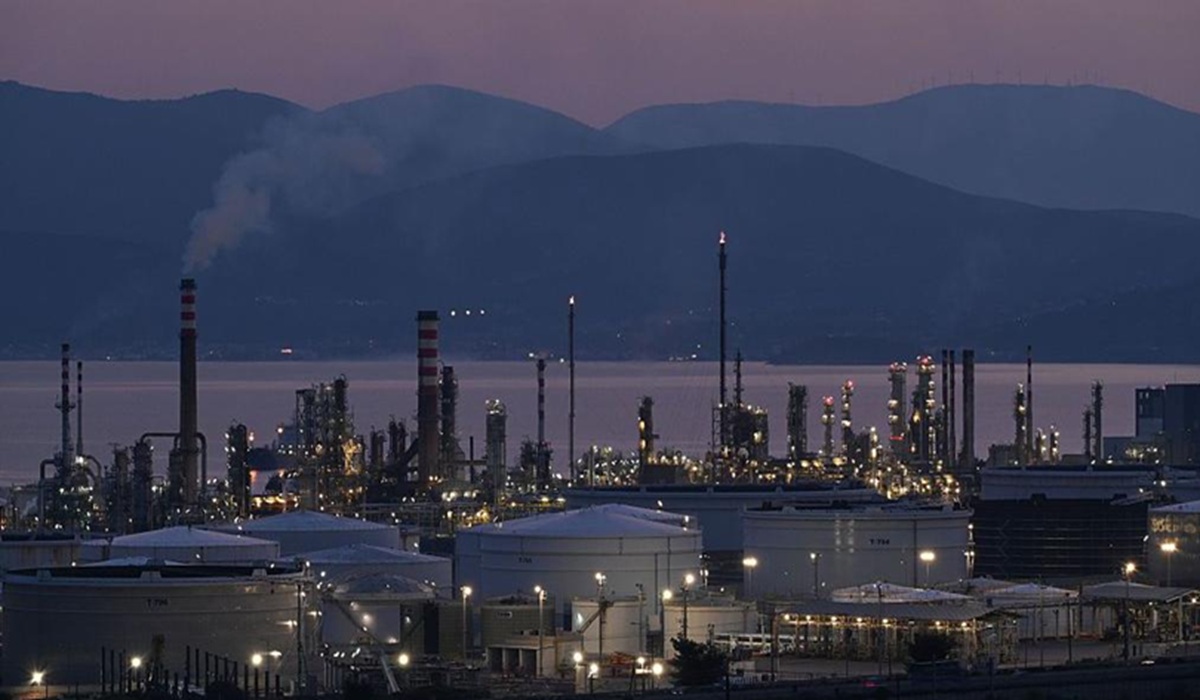
The current austerity measures are a tourniquet-necessary to stop the immediate bleeding of foreign exchange, but not a cure for the underlying disease. Until the country moves toward a diversified energy mix, including aggressive investment in domestic renewables and upgraded refinery capacity, it will remain a hostage to the next regional spark. For now, the nation waits, hopes for a de-escalation in the Gulf, and prepares for a long, quiet Ramadan under the shadow of a wider war.


Comments (0)
Leave a Comment