The Biden-Trump transition hits a critical flashpoint as Vice President-elect JD Vance leads a high-stakes delegation to Islamabad. Tasked with navigating the nuclear-armed corridor of Pakistan and Iran, Vance’s Saturday arrival signals a radical pivot in American Middle East mediation and regional containment strategies.
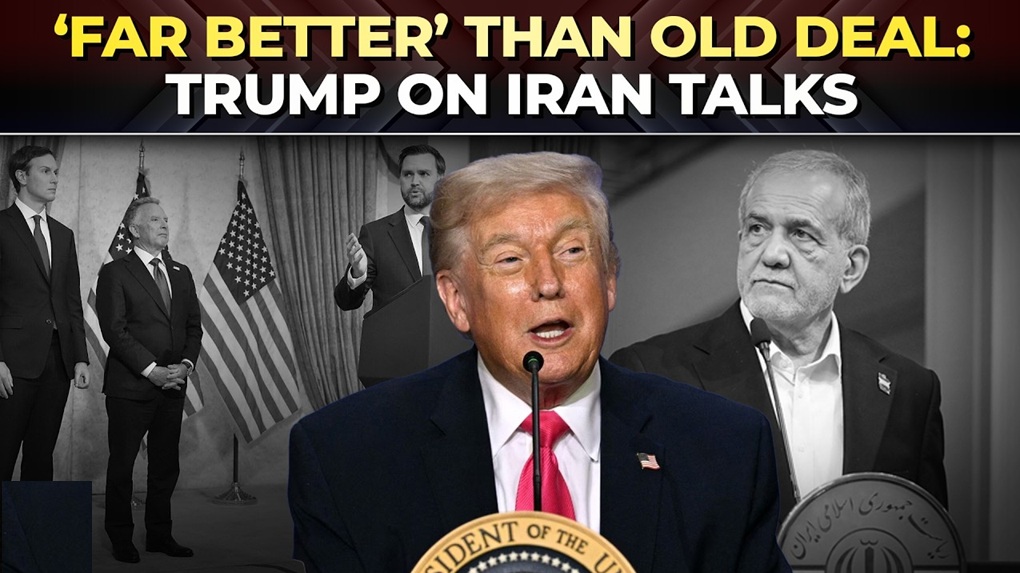
The geopolitical chessboard of South Asia has just been upended. On Saturday, Vice President-elect JD Vance will touch down in Islamabad, heading a specialized U.S. delegation focused on the escalating friction with Iran. This isn’t a standard diplomatic meet-and-greet; it is a calculated "shadow transition" maneuver. While the current administration technically holds the keys to the State Department, Vance’s presence in Pakistan suggests that the incoming executive branch is already dictating the terms of engagement with Tehran.
Pakistan, historically the "bridge" between the West and the Islamic Republic of Iran, finds itself in a precarious position. For Vance, the mission serves a dual purpose: stabilizing a volatile border region while signaling to the Ayatollah that the era of strategic patience has been replaced by a more transactional, high-pressure brand of American realism.
Key Takeaways: The Islamabad Summit
- Transition of Power: Vance is functioning as a de facto lead negotiator, bypassing traditional lame-duck protocols to establish immediate rapport with Pakistani leadership.
- The Iran Corridor: Discussions will center on curbing Iranian influence and preventing the spillover of Middle Eastern conflicts into South Asia.
- Security Architecture: A primary focus is ensuring Pakistan’s neutrality and its role in monitoring cross-border security threats involving non-state actors.
- Economic Leverage: Behind the security talk lies the silent weight of IMF restructuring and U.S. economic influence over Pakistan’s fragile recovery.
The Pivot from Foggy Bottom to Mar-a-Lago
The decision to send Vance-rather than a career diplomat or a sitting cabinet member-underscores a shift toward "disruptor diplomacy." Historically, the U.S. approach to Iran through the Pakistani lens has been one of containment and sanctioned isolation. However, the incoming administration appears to be viewing Islamabad as a pressure point.
Pakistan shares a 900-kilometer border with Iran. In recent years, this border has seen everything from fuel smuggling to missile exchanges between the IRGC and the Pakistani military. By engaging directly with Islamabad, Vance is attempting to isolate Tehran from its eastern neighbor, effectively tightening the "Maximum Pressure" circle before the new administration even takes the oath of office.
The Invisible Friction
When we look at the logistics
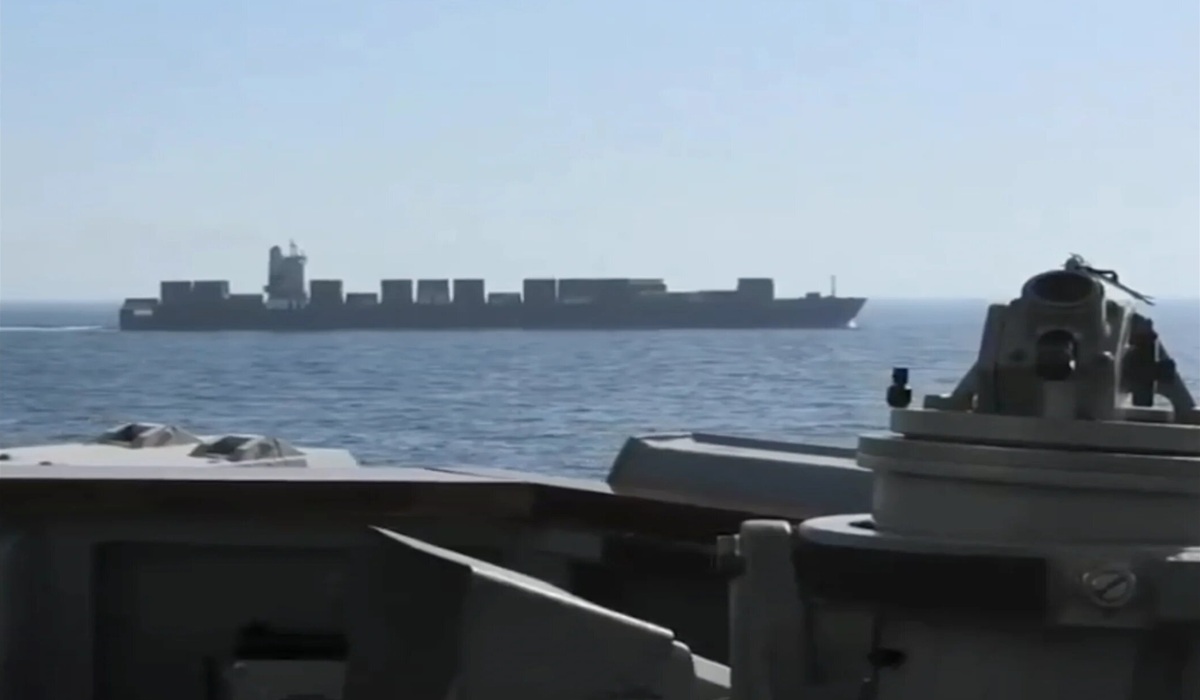 of this trip, the media focus is predictably on "security" and "stability." But the numbers tell a different story-one of energy and debt. Pakistan is currently desperate for the Iran-Pakistan (IP) gas pipeline to alleviate its chronic energy shortages. However, the looming threat of U.S. sanctions has kept the project in a state of suspended animation.
What the official statements won't say is that Vance's leverage isn't just about military cooperation; it's about the $3 billion IMF Stand-By Arrangement. Washington holds the ultimate veto over Pakistan’s economic survival. The "hidden friction" here is that Pakistan cannot afford to alienate Iran, yet it cannot survive without the U.S.-backed financial system. Vance is walking into Islamabad knowing that he isn't just negotiating peace; he is negotiating the price of Pakistani compliance in the upcoming American confrontation with Tehran.
Lateral Expansion: The 1979 Echo and the New Realism
To understand why Vance is in Islamabad, one must look back to the 1979 pivot. Following the Iranian Revolution, Pakistan became the "frontline state" for American interests. Today, the roles have shifted. We are no longer in a Cold War struggle against Soviet expansion; we are in a multipolar struggle where China’s Belt and Road Initiative (BRI) has made Pakistan its crown jewel.
Vance’s mission is a direct challenge to the growing China-Iran-Pakistan axis. By reasserting American presence in Islamabad, the U.S. is attempting to decouple Pakistan from a "bloc" mentality. This isn't just about Iran's nuclear program; it’s about ensuring that the Arabian Sea remains an American sphere of influence. The historical precedent of using Pakistan as a regional proxy is being dusted off, but with a 21st-century twist: it is now as much about countering Beijing as it is about containing Tehran.
The Mechanics of Shadow Diplomacy
The presence of a Vice President-elect on a foreign mission of this magnitude is a rarity in American politics. It suggests a total lack of confidence in the current administration’s ability to manage the Iran file during the transition. In Islamabad, Vance will likely meet with General Asim Munir and Prime Minister Shehbaz Sharif. The optics are clear: the U.S. military-to-military relationship remains the bedrock of this alliance, regardless of who sits in the Oval Office.
Expect the discussions to be granular. Beyond the broad strokes of "regional peace," the delegation will likely discuss intelligence sharing regarding the Sistan-Baluchestan region. This area has become a hotbed for insurgent groups that both Tehran and Islamabad accuse each other of harboring. If Vance can broker a "security guarantee" between the two, he removes a major Iranian distraction, allowing the U.S. to focus purely on the nuclear and proxy-network issues.
The Socio-Economic Ripple Effects
If the Vance mission succeeds in pulling Pakistan closer to the U.S. orbit, the domestic ramifications for Pakistan are immense. A shift away from Iranian energy could lead to further inflation in the short term, but a "reward" in the form of U.S. tech investment or eased debt terms could stabilize the country's middle class.
Conversely, if the mission is perceived as too heavy-handed, it could fuel the already simmering anti-American sentiment within the Pakistani populist movement. Vance must navigate a landscape where the street is often at odds with the "Establishment" (the military). Any deal made on Saturday will have to be sold to a skeptical public that views U.S. intervention as a double-edged sword.
The South Asian Security Shift
- Normalization via Pressure: We will likely see a surge in "border management" agreements between Islamabad and Tehran, brokered under the shadow of U.S. oversight.
- The Energy Pivot: The Iran-Pakistan pipeline will likely be officially mothballed in exchange for U.S.-backed LNG deals or renewable energy subsidies.
- Intelligence Integration: A renewed "Quad-lite" cooperation between the U.S., Saudi Arabia, the UAE, and Pakistan to monitor Iranian naval movements in the Gulf of Oman.
The Next Strategic Hurdle
The success of Vance’s Islamabad mission won't be measured by the Saturday communique. It will be measured by the Iranian response in the weeks following. If Tehran feels isolated by its neighbor, does it lash out via its proxies in Iraq and Yemen, or does it come to the table?
The strategic hurdle for the incoming administration is the "China Factor." Every inch of influence the U.S. demands from Pakistan is an inch that Beijing is ready to provide with fewer strings attached. Vance is not just negotiating with Pakistan; he is competing in a global marketplace of patronage. The challenge to the reader is this: In an era where economic survival outweighs ideological alignment, can American "Maximum Pressure" still buy the loyalty of a nation that is increasingly looking East?
The Islamabad summit is the first real test of whether the new administration's "America First" doctrine can actually function as "America Everywhere."




Comments (0)
Leave a Comment