Pulse Summary The US-Israeli military campaign against Iran has escalated into a chaotic regional war, disrupting global energy markets and challenging GCC security. Despite objectives of regime change, Tehran’s asymmetrical drone and missile counteroffensive has inflicted significant damage on Gulf infrastructure, forcing a diplomatic crisis and soaring global inflation.
The Architecture of a Regional Implosion
The smoke rising over the Persian Gulf is not just the byproduct of a tactical strike; it is the physical manifestation of a failed geopolitical calculation. When the Trump administration initiated its latest military foray against Iran, the working theory in Washington seemed to be a familiar one: that concentrated air power could trigger a regime collapse. History, particularly the ghosts of Iraq and Libya, suggests otherwise. Governments are rarely toppled from 30,000 feet, yet here we are again, watching the same imperial script play out with increasingly volatile variables.
The Middle East is no longer the region it was two decades ago. The "Axis of Resistance" is more integrated, the technology of asymmetrical warfare has democratized, and the economic dependencies of the West are more fragile. Washington’s "war of choice" has not only failed to secure a quick win but has actively exposed America's closest Arab allies to retaliatory strikes that have dismantled the image of the Gulf as a safe, tax-free haven for global business.
A Masterclass in Diplomatic Bad Faith
There is a growing consensus among international observers that the diplomatic lead-up to this conflict was a facade. Last year, the world watched a similar pattern: the US and Israel striking Iranian nuclear sites while middle-of-the-road negotiators were actively working toward a breakthrough. This time, Oman’s mediation efforts were reportedly on the cusp of a historic deal. Tehran had allegedly signaled a willingness to make unprecedented nuclear concessions, including a total moratorium on weapons-grade material.
Trump opted for the hammer instead of the pen.
It is now clear that the buildup of naval and air assets in the region was not a deterrent but a preparation for a predetermined assault. This creates a lasting trust deficit. If Washington uses negotiations as a smokescreen for military positioning, future diplomacy becomes impossible. The world is learning a hard lesson: under the current administration, a "deal" might just be the countdown to a strike.
The Death of the "Safe Hub" Model
Having spent years analyzing the intersections of diplomacy and regional security, I find the most striking casualty of this war isn't just the shattered buildings in Tehran-it's the shattered "business model" of the Gulf Cooperation Council (GCC). For thirty years, states like Qatar and the UAE sold the world a vision of the Middle East that was ultra-modern, secure, and immune to the surrounding chaos. That vision died the moment Iranian drones hit Saudi Arabia’s largest refinery and Qatar’s LNG plants.
We are seeing a fundamentalshift in the cost-benefit analysis of global capital. When a $20,000 drone can take out a billion-dollar energy facility, the "security" of the Gulf becomes a luxury the world can no longer afford. The silence from the luxury hotels in Dubai is deafening. This is no longer a localized skirmish; it is an existential threat to the economic identity of the region.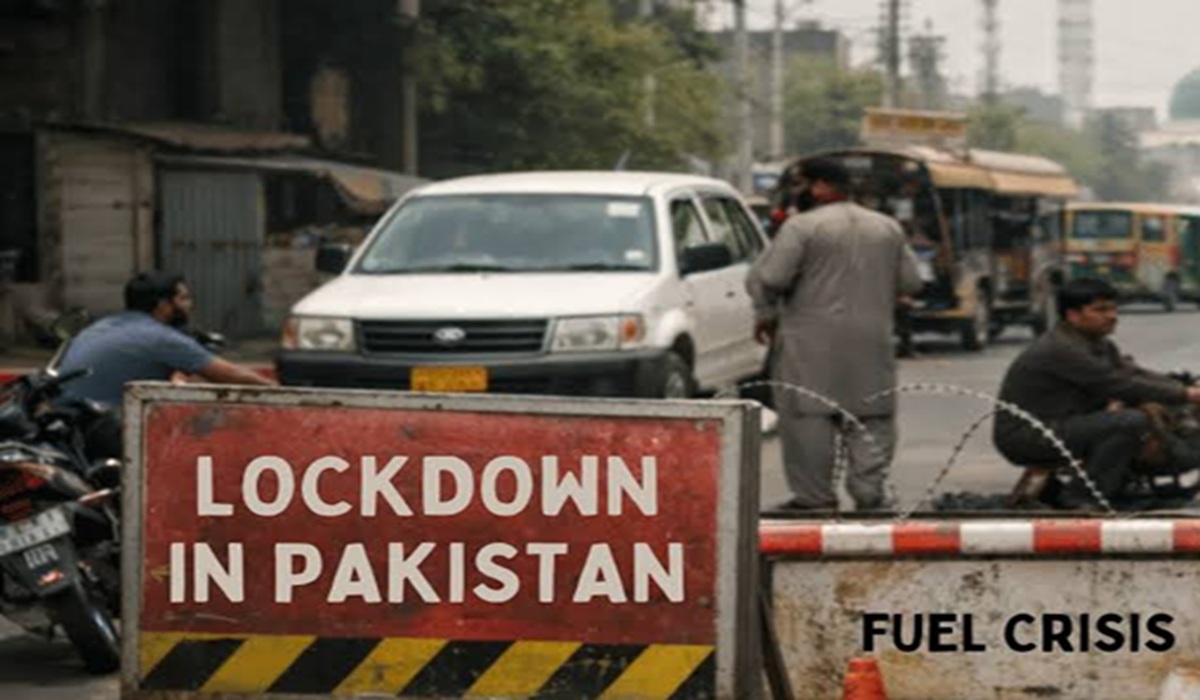
The Shifting Rationale and the Domestic Rift
The justifications flowing out of the White House have been as unstable as the front lines. One day, the strike was a response to an "imminent threat"-a claim the Pentagon later admitted lacked specific intelligence. The next day, the goal was to aid "democratic demonstrators" inside Iran. By the time Secretary of State Marco Rubio suggested Israel forced the US hand, only to be contradicted by Trump himself, the lack of a cohesive endgame became glaringly obvious.
In Washington, this incoherence has fueled a fierce legislative backlash. Senator Bernie Sanders has correctly labeled the action as unconstitutional, while others point out that sidelining Congress has become the new executive norm. Even within the MAGA base, there is a palpable anxiety. Conservative voices are beginning to realize that "Forever Wars" are difficult to sell to an electorate facing 50% spikes in gas prices and skyrocketing inflation.
Iran’s Asymmetrical Counter-Punch
Military analysts often prepare for the last war they fought. The US-Israeli command likely expected a conventional response. Instead, Iran expanded the theater of operations. By striking US bases and GCC energy hubs, Tehran is attempting to raise the "cost of participation" for America’s allies.
The use of low-cost, hard-to-intercept drones to deplete the multi-million dollar missile defense stockpiles of Saudi Arabia and the UAE is a textbook example of asymmetrical efficiency. US defense officials have privately acknowledged that this is a "major challenge." It is a war of attrition where the defender’s wallet is bleeding faster than the attacker’s arsenal.
The New Reality
- Regime Change Failure: Air strikes have consolidated rather than fractured the Iranian leadership's grip on power.
- Energy Insecurity: The closure of the Strait of Hormuz has sent global oil and gas prices into a tailspin, with Europe bearing the brunt of a 50% gas price hike.
- Trust Deficit: The perception of US "bad faith" in negotiations will hinder diplomatic resolutions for years to come.
- Internal Unrest: The move to arm Kurdish militants and open a ground front via Iraq risks a wider ethnic conflict that could spill into Turkey and beyond.
The Global Inflation Shock
We are currently witnessing a global market volatility that hasn't been seen since the 1970s oil embargo. While the US is largely energy-independent, the globalized nature of pricing means American consumers are not shielded from the spike at the pump. Qatar’s energy minister has warned that a sustained conflict could "bring down the economies of the world" within days.
Washington is losing control of the narrative and the events. By demanding "unconditional surrender" and insisting on a hand-picked successor in Tehran, Trump has backed the Iranian leadership into a corner. When an adversary feels they have nothing left to lose, they become the most dangerous player on the board.
The Reckless Road Ahead
The intensification of bombing residential areas in Tehran and the targeting of civilian infrastructure like hospitals and schools marks a dark turn in the conflict. It is a desperate attempt to spark an internal uprising that has yet to materialize. Instead, it has radicalized a population that might have otherwise been critical of their own government.
The Middle East is being remade, but not in the image Washington intended. This is a region being forged in the fire of a reckless gambit—one that has no clear exit strategy, no broad public support, and a price tag that the global economy simply cannot pay.




Comments (0)
Leave a Comment