The United States has intensified its military and diplomatic coordination with Israel following unprecedented regional escalations involving Iran. This strategic shift includes the deployment of advanced defense systems and a revised doctrine of "active deterrence," aiming to stabilize the Levant while navigating a high-stakes transition in American foreign policy.
The Volatility of Strategic Patience
The geopolitical landscape of the Middle East shifted on its axis this morning. We are no longer discussing "tensions" or "skirmishes" in the abstract; we are witnessing the practical application of a new American military posture. For decades, the doctrine was one of containment-keeping the Iranian threat within a manageable box. Today, that box has been dismantled by the sheer velocity of direct state-on-state provocations.
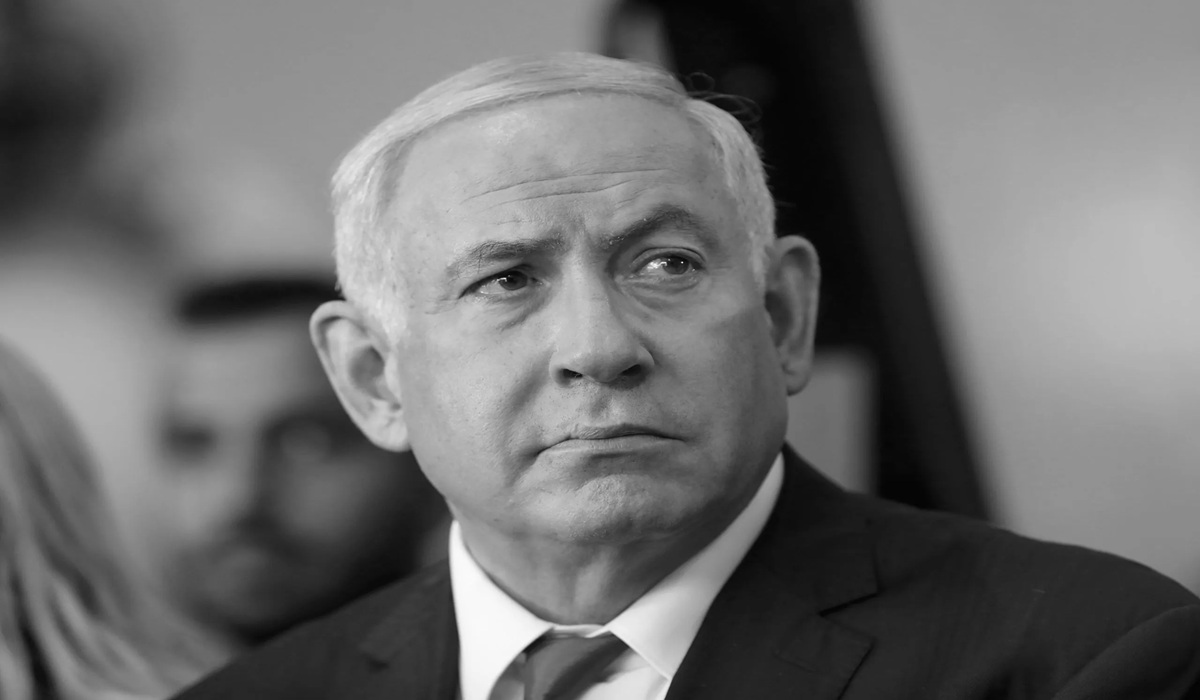
Washington’s latest directive is clear. By moving additional carrier strike groups into the Eastern Mediterranean, the U.S. is not just signaling support for Israel; it is drawing a hard line in the sand against Tehran’s regional proxies. The move comes as Israeli Prime Minister Benjamin Netanyahu’s government signals that its tolerance for "shadow war" tactics has reached an end.
Observers in the Pentagon suggest that the coordination between the IDF and CENTCOM has reached a level of integration unseen since the Cold War. This isn't just about sharing intelligence. It’s about a unified operational picture. When an interceptor is fired from an Israeli battery, the data is flowing through American nodes in real-time. We are seeing the birth of a networked regional defense that makes the old bilateral agreements look like relics of a simpler time.
Escalation as a Calculated Risk
The logic driving this escalation is counterintuitive to the uninitiated. To prevent a wider war, the U.S. and Israel believe they must show a willingness to fight one. This "paradox of deterrence" is currently being tested in the skies over Syria and Lebanon.
Recent strikes against IRGC-linked facilities aren't merely retaliatory. They are surgical removals of capabilities that took years to build. By targeting high-value logistics hubs, Israel is betting that Iran will choose preservation over further escalation. However, this is a dangerous gamble. Tehran has spent years cultivating "strategic depth" through its network of allies, and if the head of the snake feels its vital interests are threatened, the response
 may move beyond the conventional.
What the Numbers Don’t Say Out Loud
In the quiet corridors of the State Department, the spreadsheets tell one story, but the atmosphere tells another. While official data points to a "calibrated response," I’ve noticed a distinct hardening of rhetoric that suggests the diplomatic "off-ramps" are narrowing.
When we look at the deployment numbers-the sheer tonnage of hardware moving into the region—it’s easy to get lost in the logistics. What the data doesn’t say is that the human cost of a miscalculation has never been higher. I’ve spoken with veteran analysts who describe the current climate as "brittle." There is no elasticity left in the regional security architecture.
One thing that strikes me is the silence from certain regional capitals. Usually, a flare-up of this magnitude produces a chorus of condemnation or calls for restraint. This time? Relative silence. This suggests to me that the regional powers are waiting to see if this is a temporary fever or a permanent change in the regional order. We are operating in a theater where a single misinterpreted radar blip could trigger a sequence of events that no diplomat, no matter how skilled, can pull back. My sense is that both sides are currently "playing for keeps," and the traditional rules of the game have been discarded.
The Internal Dynamics: Politics and Posture
One cannot separate these military movements from the domestic political realities in both Washington and Jerusalem. For President Trump, the crisis is a test of his "America First" doctrine versus the necessity of maintaining the world's most critical alliance. It is a tightrope walk between avoiding "forever wars" and ensuring that American interests—and allies—are not abandoned to a hostile regional power.
In Israel, the pressure is even more acute. The public demand for total security has forced the government into a position of perpetual high-readiness. This has immense economic and social costs. A country cannot live on a war footing indefinitely without something giving way. This domestic pressure is a primary driver of the "active deterrence" strategy; the goal is to resolve the threat decisively so that a return to some semblance of normalcy is possible.
The Current State of Play
- Military Integration: U.S. and Israeli defense systems are now operating under a shared tactical framework, significantly increasing interception capabilities.
- Iranian Red Lines: Tehran’s focus remains on preserving its regional influence, but direct strikes on its soil or high-level assets have changed the risk-reward calculus.
- Diplomatic Vacuum: Traditional mediation channels are currently bypassed in favor of direct military signaling and "back-channel" warnings.
- Economic Ripple Effects: Global energy markets remain on edge, with shipping lanes in the Red Sea and Persian Gulf seeing increased security premiums.
The Historical Context
To understand today’s crisis, we have to look back at the 2015 nuclear deal and its subsequent collapse. That era was defined by the hope that economic integration could moderate Iran’s regional ambitions. The 2026 reality is the definitive proof that those hopes were misplaced.
We are now in the "Post-Agreement Era." There is no longer a shared document or a common set of expectations. We have returned to the rawest form of power politics. Historically, when two major powers reach this level of friction without a diplomatic safety net, the result is either a major conflict or a new, cold peace characterized by permanent militarization. The coming weeks will determine which path the world takes.
The Technological Frontier of Conflict
This isn't just a war of missiles and men; it’s a war of algorithms. The role of AI in target selection and threat assessment in the current US-Israel-Iran standoff cannot be overstated. We are seeing the first real-world test of high-speed, automated defense.
The danger, of course, is that these systems operate faster than human decision-making. If an AI perceives an imminent launch based on a series of sensor inputs, the window for a human commander to say "wait" is closing. This "flash war" scenario is what keeps strategists awake at night. The sophistication of the hardware has outpaced the sophistication of the international laws meant to govern them.
The Path Forward
The situation remains fluid, but the underlying trend is toward a fundamental restructuring of Middle Eastern security. The U.S. is no longer an offshore balancer; it is an active participant in a regional defense shield. Israel is no longer content with "mowing the grass"; it is looking to uproot the threats entirely.
The question remains: what does Iran do when its back is against the wall? If the current strategy of "active deterrence" works, we may see a quiet retreat from the brink. If it fails, the escalation we’ve seen so far is merely the prologue. The world is watching, and for the first time in a generation, the outcome is truly unpredictable.
The era of predictable cycles of violence is over. We have entered the era of the unknown.






Comments (0)
Leave a Comment