The push to nominate PM Shehbaz Sharif and the COAS for the Nobel Peace Prize following the Iran-Pakistan de-escalation reveals a deeper domestic strategy. While the January border friction ended quickly, the diplomatic aftermath is being leveraged to solidify civil-military prestige amidst economic volatility.
The Border Flare-Up That Became a PR Engine
In January 2024, the world watched as the Panjgur and Saravan border regions briefly turned into a theater of kinetic exchange. When Iran launched missiles into Balochistan targeting Jaish al-Adl, and Pakistan responded with "Operation Marg Bar Sarmachar," the regional forecast looked grim. However, the subsequent "truce"-orchestrated through rapid diplomatic backchannels-has now been reframed by PML-N lawmaker Kheen Das Kohistani as a feat worthy of the Nobel Peace Prize.
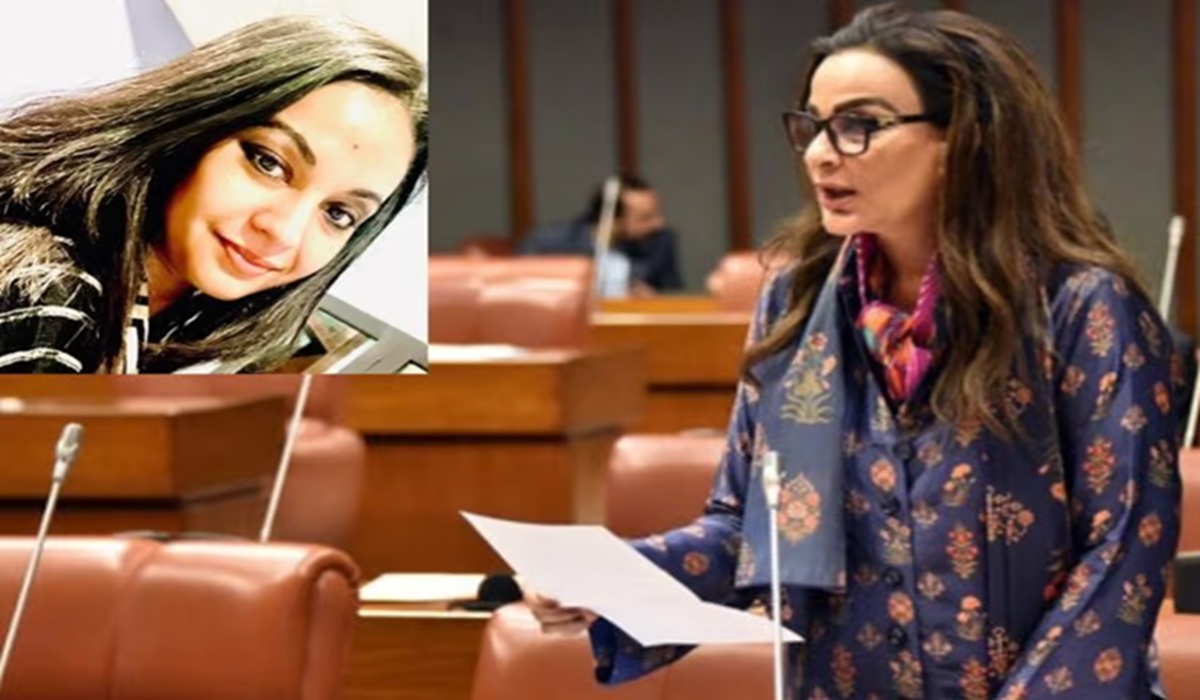
Kohistani’s resolution, submitted to the National Assembly, doesn't just praise the Prime Minister; it explicitly includes the Chief of Army Staff (COAS). This is a masterclass in domestic signaling. By positioning the avoidance of an all-out war as a globally historic achievement, the government is attempting to pivot the national conversation away from the grueling IMF negotiations and toward a narrative of "Stabilizer Sovereignty."
Pulse Summary
Pakistan’s National Assembly faces a resolution to nominate PM Shehbaz Sharif and the COAS for the Nobel Peace Prize. Following the January 2024 Iran-Pakistan missile exchanges, the rapid restoration of diplomatic ties is being framed as a template for regional stability and preventive diplomacy in South Asia.
Analysis: The Mechanics of the "Truce"
The de-escalation between Islamabad and Tehran was less a miracle and more a realization of mutual exhaustion. Neither nation could afford a second front. Iran was already navigating the fallout of the Gaza conflict and its proxy involvements, while Pakistan remained tethered to an existential economic crisis.
The "Information Gain" here lies in comparing this to the 1999 Kargil conflict. While Kargil saw a prolonged escalation requiring US intervention (the Clinton-Sharif meeting), the 2024 Iran friction was resolved almost entirely through bilateral military-to-military channels and the Ministry of Foreign Affairs (MoFA) without a third-party mediator. This "Direct De-escalation Model" is what the resolution seeks to institutionalize as a Nobel-worthy contribution to peace.
The "Participation Trophy" Paradox
If we look at the history of the Nobel Peace Prize, it often favors "transformative" peace-think the Good Friday Agreement or the end of Apartheid. It rarely rewards "preventive" peace—the act of not making a bad situation worse.
There is a certain irony in seeking a peace prize for successfully navigating a crisis that began with a violation of sovereignty.
 In the halls of power in Islamabad, this move is being whispered about not as a serious bid for Oslo’s attention, but as a "loyalty litmus test." Supporting the resolution proves a lawmaker's alignment with the current civil-military hybrid structure. To oppose it is to suggest that the leadership didn’t do enough, or worse, that the "peace" achieved was simply the default requirement of the job.
Why the "Nobel Strategy" Matters for the IMF
You might wonder why a lawmaker is talking about Alfred Nobel when the price of electricity is at an all-time high. The answer is Political Capital. For the Shehbaz Sharif administration, international prestige is a currency. If the government can project an image of being the "Adult in the Room" in a volatile Middle East/South Asia intersection, it strengthens their hand in non-economic negotiations. It tells the West: "We are the stabilizers of a nuclear-armed state." The Nobel nomination is the flamboyant hat worn to a very serious business meeting.
The Humor of High Stakes
Let’s be honest: the Nobel Peace Prize has had a weird few decades. They gave one to Henry Kissinger, and they gave one to Barack Obama before he’d even finished his morning coffee in the Oval Office. In that context, nominating a duo for not going to war with a neighbor is actually one of the more logical entries in recent history.
It’s like getting a "Best Driver" award because you successfully hit the brakes when someone cut you off. Sure, you did the right thing, but usually, the prize is for winning the race, not for avoiding the pile-up on I-95. One can almost imagine the Nobel Committee in Norway looking at the submission and wondering if they should also start giving out prizes for "Successfully Paying the Gas Bill on Time" or "Not Replying 'All' to a Company-Wide Email."
The Socio-Economic Ripple Effect
Beyond the headlines, the de-escalation has allowed for the tentative revival of the Iran-Pakistan (IP) gas pipeline discussions. This is the "hidden friction point." The US remains vocally opposed to the project, threatening sanctions.
By framing the relationship with Iran through the lens of "Peace and Nobel-worthy Diplomacy," Pakistan is creating a moral shield. It becomes harder for Washington to sanction a project that is framed as a "Peace Pipeline" between two nations that just narrowly avoided a kinetic conflict. This is the lateral chess move: the Nobel nomination provides the narrative cover for economic survival.
Key Takeaways
- The Resolution: Introduced by Kheen Das Kohistani, it seeks Nobel recognition for the PM and COAS.
- Context: The January 2024 missile exchanges between Iran and Pakistan.
- Diplomatic Strategy: Utilizing the de-escalation to signal stability to international lenders and domestic critics.
- The Civil-Military Link: The joint nomination reinforces the unified front between the government and the establishment.
The Structural Reality of South Asian Peace
Peace in this region is often the absence of active shelling. However, the move to codify this de-escalation into a global accolade suggests a shift in how the Pakistani state wants to be perceived. No longer the "distressed state," but the "responsible regional actor."
Whether this resonates in Oslo is secondary. The primary audience is in the boardrooms of the IMF and the diplomatic circles of the GCC. They want to see a Pakistan that can manage its borders without dragging the world into a localized apocalypse. In that narrow sense, the "Peace" was a success, even if the "Prize" remains a distant, slightly humorous ambition.
The Next 12 Months
- The Pipeline Pivot: Expect the "Peace" narrative to be used as a primary defense when the IP gas pipeline hits new legal hurdles with US Treasury sanctions.
- The Border Normalization: Routine border markets and trade hubs will be rebranded as "Peace Corridors" to maintain the momentum of the de-escalation.
- The Narrative Fatigue: If the economic situation doesn't improve, the "Nobel" rhetoric will likely be weaponized by the opposition (PTI) as a sign of a government out of touch with the "Roti, Kapda, Makaan" (Food, Cloth, House) reality.
The Next Strategic Hurdle
The real challenge isn't winning a medal in Norway; it’s maintaining a "cold peace" with a neighbor that is increasingly isolated on the world stage. Can Pakistan balance its "Nobel-worthy" diplomacy with Iran while simultaneously deepening its strategic and financial ties with the West? The "Peace" of January was the easy part. The "Politics" of the aftermath will require a level of finesse that no prize can adequately reward. Are we witnessing a genuine shift in regional doctrine, or just a very expensive PR campaign for a government seeking a foothold?




Comments (0)
Leave a Comment